
Dr. Raveesh Sunkara

What Is Brain Stroke?

Schedule ConsultationCase Review

Reviewed personally by Dr. Sunkara · Written for Brain Stroke · Updated September 2026

Overview

How A Brain Stroke Happens

Quick Answer

A brain stroke happens when blood flow to the brain is suddenly cut off, or a blood vessel bleeds into brain tissue, starving cells of oxygen. It's a medical emergency, not something to watch and wait on. Most strokes are ischemic, caused by a clot; the rest are hemorrhagic, from bleeding, and every minute untreated costs brain cells.
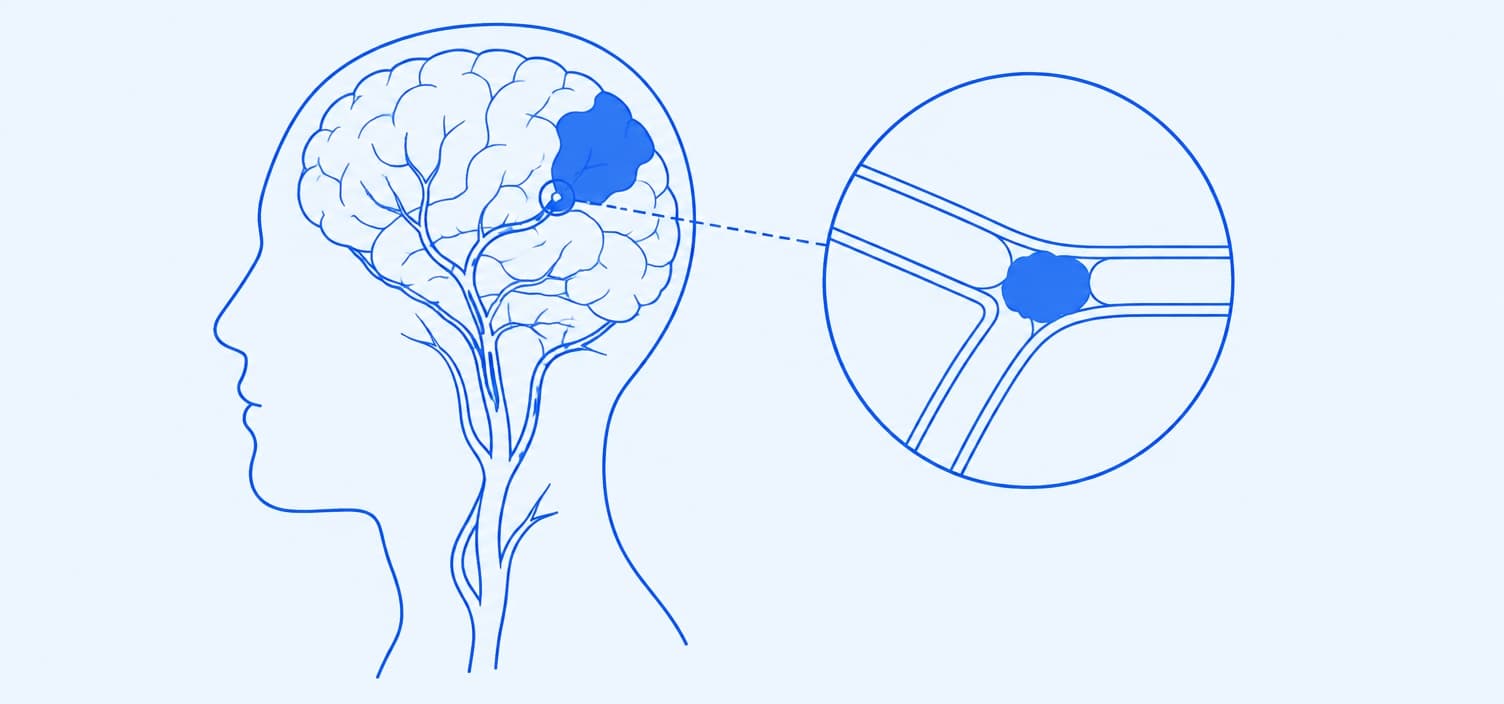
Brain stroke diagram showing a clot blocking a brain artery and the area of brain beyond it starved of blood
An ischaemic stroke: a clot blocks an artery, and the part of the brain it supplies is starved of blood and oxygen.

Most people picture a stroke as something that only happens to the elderly, but brain stroke can strike at almost any age, and what happens inside the brain in those first minutes decides how much can be saved. When blood stops reaching part of the brain, or when a vessel ruptures and bleeds into surrounding tissue, nerve cells start dying by the millions every minute. The clock, more than anything else, is what determines the outcome.

Brain stroke can affect anyone with risk factors like high blood pressure or heart disease, though risk climbs sharply after 55. Not every stroke needs surgery either. Most are managed with emergency medical care, and surgery only enters the picture when a bleed or a damaged vessel needs to be fixed directly.

Types

Ischemic vs Hemorrhagic Stroke

Your discharge summary or scan report will name one of the two main types of brain stroke, plus sometimes a third warning form. Knowing which one you're dealing with shapes every treatment decision that follows.

Ischemic Stroke

Caused by a blood clot blocking an artery in the brain. It's the most common type, behind about 85% of strokes.

Hemorrhagic Stroke

Happens when a weakened blood vessel bursts and bleeds into or around brain tissue, raising pressure inside the skull rapidly.

Transient Ischemic Attack (TIA)

A brief, temporary blockage that mimics stroke symptoms and resolves on its own, often within an hour. Treat it as a serious warning, not a relief.

Silent Stroke

A stroke with no obvious symptoms at the time, often found later on a brain scan done for another reason. It still causes lasting damage.

Symptoms

Signs of a Brain Stroke to Recognise

  • FACE DROOPING

    One side of the face droops or feels numb, most noticeable when the person tries to smile. It's often the first sign bystanders spot.

  • ARM/LEG WEAKNESS

    Sudden weakness or numbness down one side of the body, usually the arm, is one of the clearest warning signs of a stroke.

  • SLURRED SPEECH

    Words come out slurred, or the person struggles to find the right words or understand what's being said to them.

  • VISION OR BALANCE

    Blurred or lost vision in one or both eyes, or a sudden spinning sensation and loss of balance, can both signal a stroke.

  • SUDDEN HEADACHE

    A headache unlike any before, coming on suddenly and severely, is a classic sign of a bleed rather than a clot.

When To Worry

A Brain Stroke Is Always An Emergency

There's no waiting period with a stroke. Every minute without treatment costs brain cells, so any sign below means calling emergency services immediately, not scheduling a visit for later in the week or driving yourself to a clinic.

Call For Emergency Help If You Notice:

Causes

Brain Stroke Causes

  1. 01

    Blood Clot Blockage

    A clot forms in an artery, or travels there from the heart, and blocks blood flow to part of the brain. This is the ischemic mechanism.

  2. 02

    High Blood Pressure Damage

    Years of uncontrolled high blood pressure weaken artery walls in the brain, making both clots and ruptures far more likely over time.

  3. 03

    Aneurysm Rupture

    A weak, bulging point in a blood vessel wall gives way, spilling blood directly into brain tissue and raising pressure inside the skull. Brain Aneurysm & AVM →

  4. 04

    Heart Rhythm Problems

    Irregular heartbeats such as atrial fibrillation let blood pool and clot inside the heart, and that clot can travel straight to the brain.

Brain Stroke Risk Factors: Who's More Likely

  • HIGH BLOOD PRESSURE

    The single biggest modifiable risk factor. Keeping it controlled cuts stroke risk more than almost any other single change.

  • AGE OVER 55

    Risk roughly doubles with each decade after 55, though stroke can and does happen at younger ages too.

  • SMOKING AND DIABETES

    Both damage blood vessels over years, narrowing arteries and making clot formation more likely throughout the body.

  • FAMILY HISTORY

    A parent or sibling who's had a stroke raises your own risk, particularly if it happened before age 65.

Diagnosis

How Brain Stroke Is Diagnosed

  1. 01

    Rapid Neurological Exam

    Emergency doctors check facial movement, arm strength, speech, and alertness within minutes of arrival, using a FAST-style screen to gauge how severe the stroke likely is before any scan begins.

  2. 02

    CT or MRI Scan

    A CT scan, often done first because it's fast, shows whether the stroke is caused by a clot or a bleed. MRI follows when a clearer picture of the affected brain tissue is needed.

  3. 03

    Vessel and Heart Studies

    CT or MR angiography maps the blood vessels themselves, while an ECG and blood tests look for the heart rhythm problems or clotting issues that often sit behind the stroke.

Treatment

Treatment After A Stroke

What happens next depends entirely on the type of stroke and how much time has passed since it started. Care moves through the following phases.

  • IMMEDIATE RESPONSE

    focuses on getting to a stroke-ready hospital fast, since every treatment option depends on how quickly you arrive.

  • ACUTE HOSPITAL CARE

    is where the stroke team decides between clot-dissolving medicine, a clot-retrieval procedure, or surgery, based on scan results.

  • RECOVERY AND REHABILITATION

    begin as soon as you're stable, often within a day or two of the stroke itself.

Treatment Options Dr. Sunkara Offers

  1. 01

    Clot-Dissolving Medicine

    NON-SURGICAL

    A clot-busting medicine given within hours of an ischemic stroke can dissolve the blockage and restore blood flow before lasting damage sets in.

  2. 02

    Mechanical Thrombectomy

    NON-SURGICAL

    A catheter-based procedure removes the clot directly from a blocked vessel, used for larger clots or when medicine alone isn't enough within the treatment window.

  3. 03

    Decompressive Surgery

    SURGICAL

    When bleeding or swelling raises pressure dangerously inside the skull, surgery relieves that pressure to protect the brain from further, often permanent, damage.

    See Neurovascular Surgery →
  4. 04

    Vessel Repair Surgery

    SURGICAL

    Where a burst aneurysm or an abnormal tangle of vessels caused the bleed, surgery repairs or removes the underlying vessel problem to prevent it happening again.

    See Neurovascular Surgery →
Outlook

Is Recovery Possible After A Brain Stroke?

Yes, and for many people recovery is substantial, especially with fast treatment and consistent rehabilitation. The honest answer is that outcomes vary widely depending on stroke type, size, and how quickly treatment began, so no single number tells the whole story for any one patient.

  • EVERY MINUTE

    an untreated stroke destroys about 1.9 million nerve cells, which is why calling for help at the first sign matters more than anything else.

  • MOST RECOVERY

    happens in the first 3 months, but gains can continue for a year or more, so keep going with rehab.

  • IF IGNORED

    a stroke left untreated, or a TIA dismissed as a one-off, sharply raises the risk of a second, often more damaging stroke soon after.

Living With It

Life After A Stroke

Recovery continues well past the hospital stay, and daily habits matter more than most people expect.
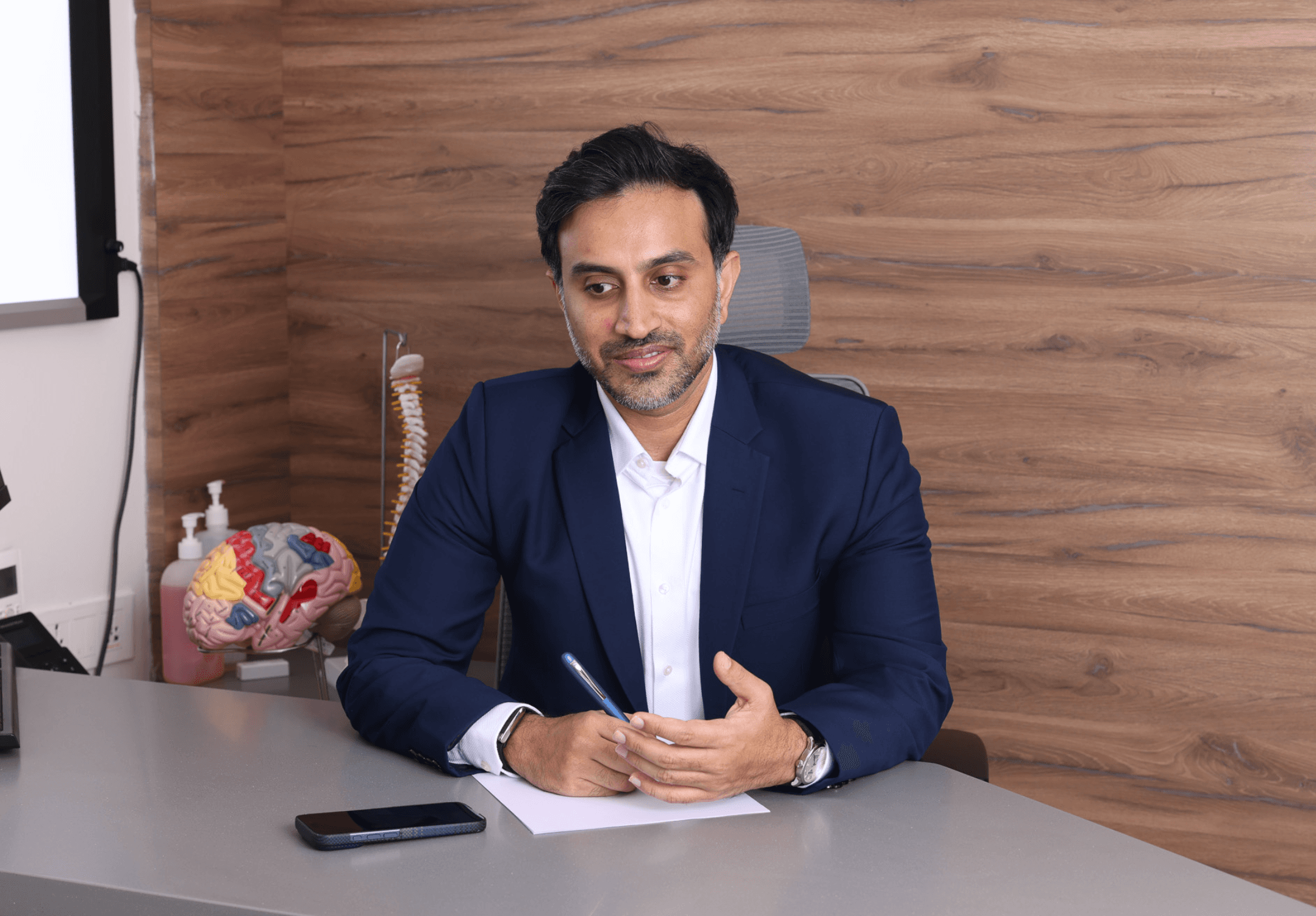
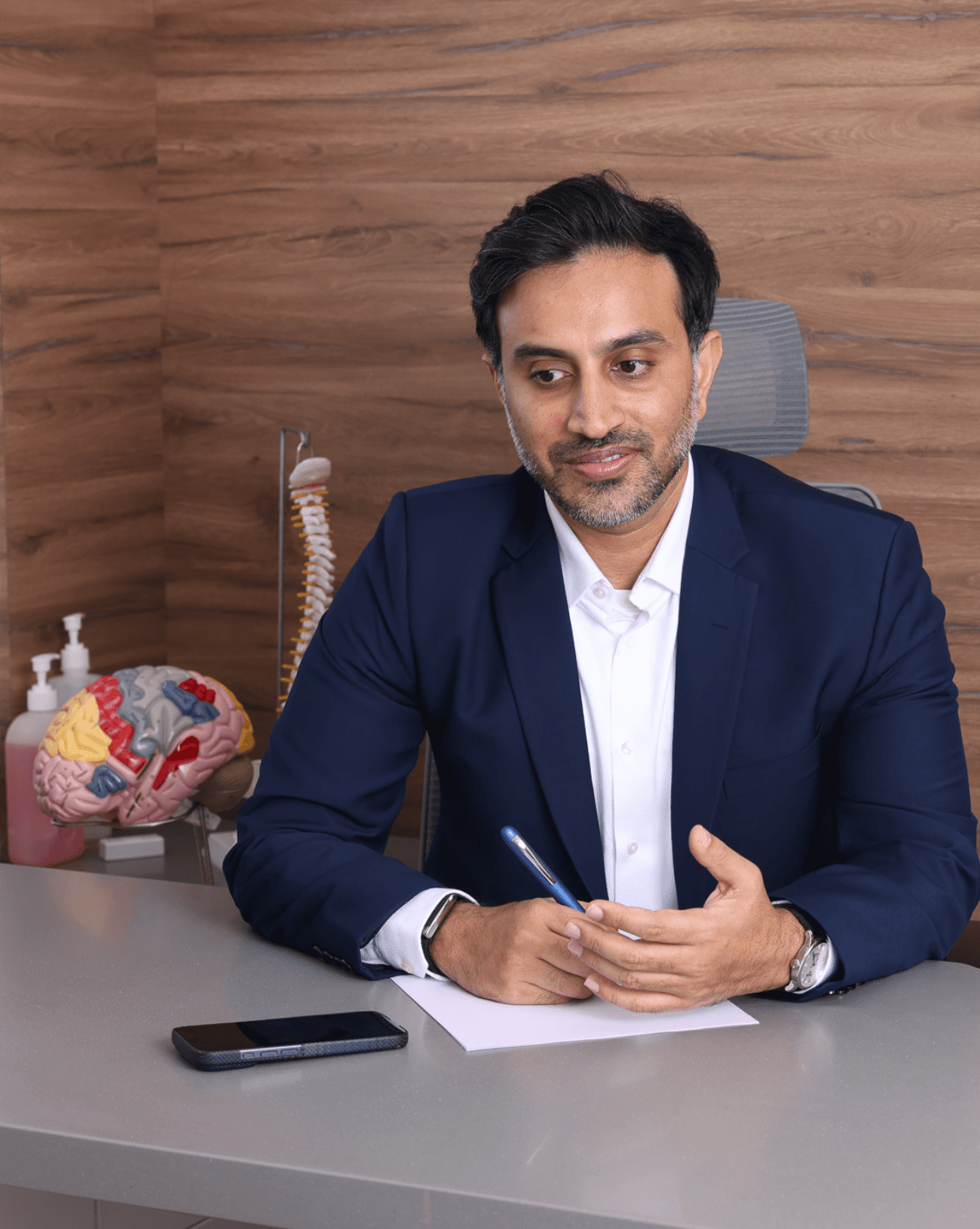
Dr. Raveesh Sunkara at his consultation desk, talking a patient through their condition
Before Your Appointment

Questions To Ask Your Doctor

  1. 01

    Was my stroke ischemic or hemorrhagic, and what caused it?

  2. 02

    Do I need surgery, or is medical management enough for my case?

  3. 03

    What's realistic to expect from rehabilitation in my situation?

  4. 04

    Which medicines do I need long term, and what do they prevent?

  5. 05

    What's my risk of having another stroke, and how do we lower it?

Already Been Told You Need Surgery?

A second opinion on your scans can confirm the plan is right before you commit to it.

TESTIMONIALS

Trusted By Families Across India And Abroad.

★★★★★

Review summary

Her father came in with a brain stroke and paralysis, and the family had lost hope. With treatment he can now walk and speak properly.

Swetha R.

Stroke with paralysis

★★★★★

Review summary

Her father had a grade 4 brain haemorrhage. Dr. Sunkara explained how critical it was, took every necessary step including a shunt, then guided his rehab.

Rushita G.

Brain haemorrhage

★★★★★

Review summary

Their parent was treated in an emergency and recovered after successful brain surgery. Dr. Sunkara even visited during rehab to check on progress.

Venkata Rama Reddy G.

Emergency brain surgery

FAQ

Your Brain Stroke Questions, Answered

Brain stroke happens when blood flow to part of the brain is suddenly blocked or a vessel bleeds into brain tissue. It's a medical emergency that needs treatment within hours.

Get In Touch

Worried About Your Stroke Risk Or Symptoms?

If you or a family member has had a stroke, book a consultation to plan next steps, or get a second opinion on a scan you've already been given.

Dr. Raveesh Sunkara

Written & reviewed by Dr. Raveesh Sunkara, Senior Consultant Neurosurgeon & Spine Surgeon · Last updated September 2026 · Next review due March 2027