
Reviewed personally by Dr. Sunkara · Written for Neurovascular Surgery in Hyderabad · Updated September 2026
Quick Answer
A neurovascular surgeon in Hyderabad treats conditions affecting the brain's blood vessels, including aneurysms, arteriovenous malformations (AVMs) and stroke-related blockages. Treatment ranges from open microsurgery, like aneurysm clipping, to minimally invasive endovascular procedures performed through the blood vessels themselves. The right approach depends on the lesion's size, location and how it's behaving, not a fixed default.
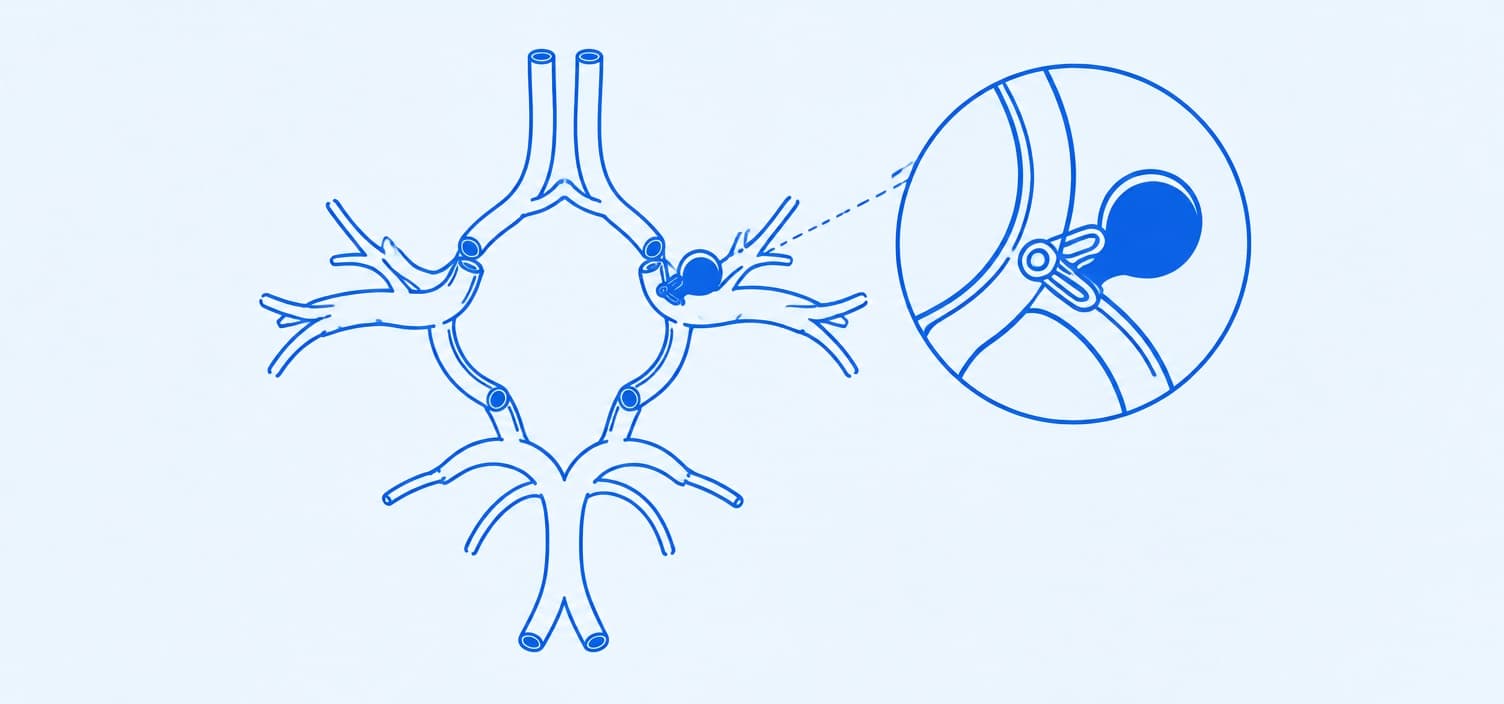
Neurovascular disease is more common than most patients assume. The Brain Aneurysm Foundation estimates that roughly 6.7 million people in the United States are living with an unruptured brain aneurysm, most without ever knowing it, until imaging for something unrelated finds one.
Plenty of patients arrive after a routine scan turns up a small aneurysm, braced for an operation. Often the right answer is repeat imaging and a clear plan instead. When surgery is the right call, it can go further than most patients expect: Dr. Sunkara has successfully treated a rare triple aneurysm in a single surgical setting, a result presented at international platforms.
A neurovascular surgeon in Hyderabad typically sees these conditions two ways: an incidental finding on a scan, or a genuine emergency like a rupture or stroke.
01
Imaging, usually a CT or MRI angiogram, maps the exact vessel involved, and Dr. Sunkara weighs whether the safest path is surgery, an endovascular procedure, or watchful monitoring.
02
The technique depends entirely on the diagnosis, from microsurgical clipping through an open approach to catheter-based coiling or embolization done through the blood vessels.
03
Recovery is watched closely in the days after, whether the approach was surgical or endovascular, since both carry a real risk of delayed complications.
What does getting ready for neurovascular surgery actually involve? It depends on whether it's open surgery or an endovascular procedure.
01
An open microsurgical technique where a small metal clip is placed across the base of the aneurysm to seal it off from normal blood flow permanently.
02
A catheter is guided through the blood vessels from the groin to the aneurysm, where soft platinum coils pack the sac and stop blood from filling it. Dr. Sunkara performs this as teamwork with an interventional neuroradiologist.
03
The tangled vessels are carefully removed through an open approach, most often for AVMs sitting in a location that's safe to access surgically. Some patients need a multi-stage approach, with pre-operative endovascular size reduction done first to shrink the AVM before surgical removal.
04
A healthy scalp artery is rerouted to a brain artery beyond a blockage, restoring blood flow for select complex aneurysm or occlusion cases other options can't reach.
01
Close monitoring in the ICU or a dedicated neuro unit, watching for bleeding, vessel spasm, or any change in neurological function.
02
These days carry the highest risk of vessel spasm, so monitoring stays close before a move to the ward and gentle walking.
03
Coiling patients are often back to light routines sooner. After clipping, the incision heals first and energy builds back week by week.
04
Follow-up imaging, usually an angiogram, confirms the vessel has stayed sealed and checks for any recurrence needing further treatment.
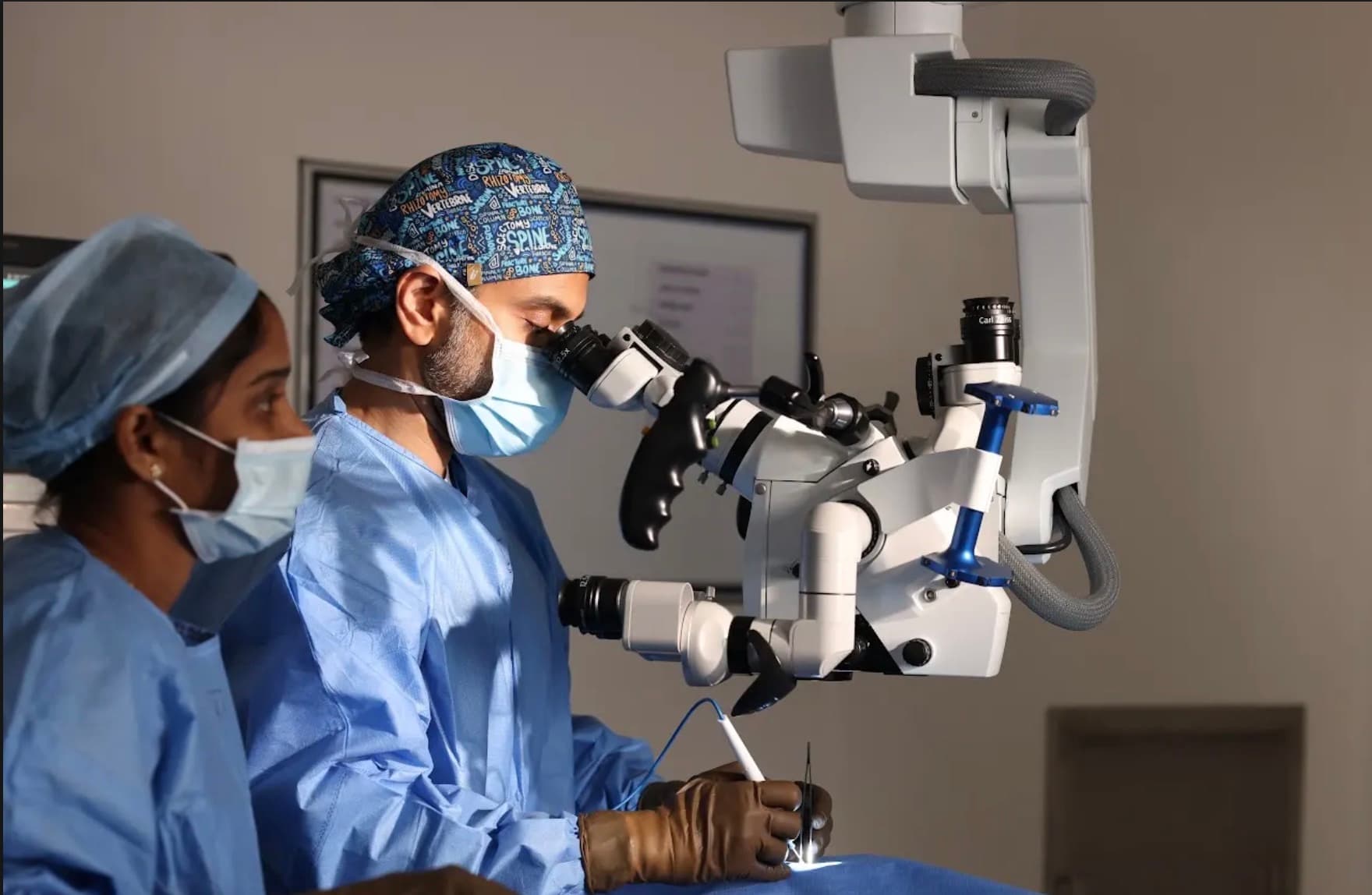
Clipping, coiling and AVM surgery are different procedures, so each has its own outcome here, not one blended number.
Every procedure a neurovascular surgeon in Hyderabad performs carries real risks, surgical or endovascular. Serious complications are rarer than most patients expect, and those risks run much lower when the condition is diagnosed early and treatment starts promptly.
What The Risks Include
There's no single ranking that decides this. Ask how often the surgeon treats aneurysms and AVMs, and whether they'll explain why watching might be safer than operating.
Whether it's a newly found aneurysm, an AVM, or a second opinion on a proposed surgery, Dr. Sunkara reviews every case personally before recommending a path forward.

Written & reviewed by Dr. Raveesh Sunkara, Senior Consultant Neurosurgeon & Spine Surgeon · Last updated September 2026 · Next review due March 2027