Dr. Raveesh Sunkara

What Is Scoliosis?

Schedule ConsultationCase Review

Reviewed personally by Dr. Sunkara · Written for Scoliosis (Curved Spine) · Updated September 2026

Overview

How a Curved Spine Develops

Quick Answer

Scoliosis is a sideways curve of the spine that measures 10 degrees or more on an X-ray, usually with some twisting of the vertebrae. It most often shows up between the ages of 10 and 15, though adults can develop it as the spine ages. Most curves stay mild and never need surgery.
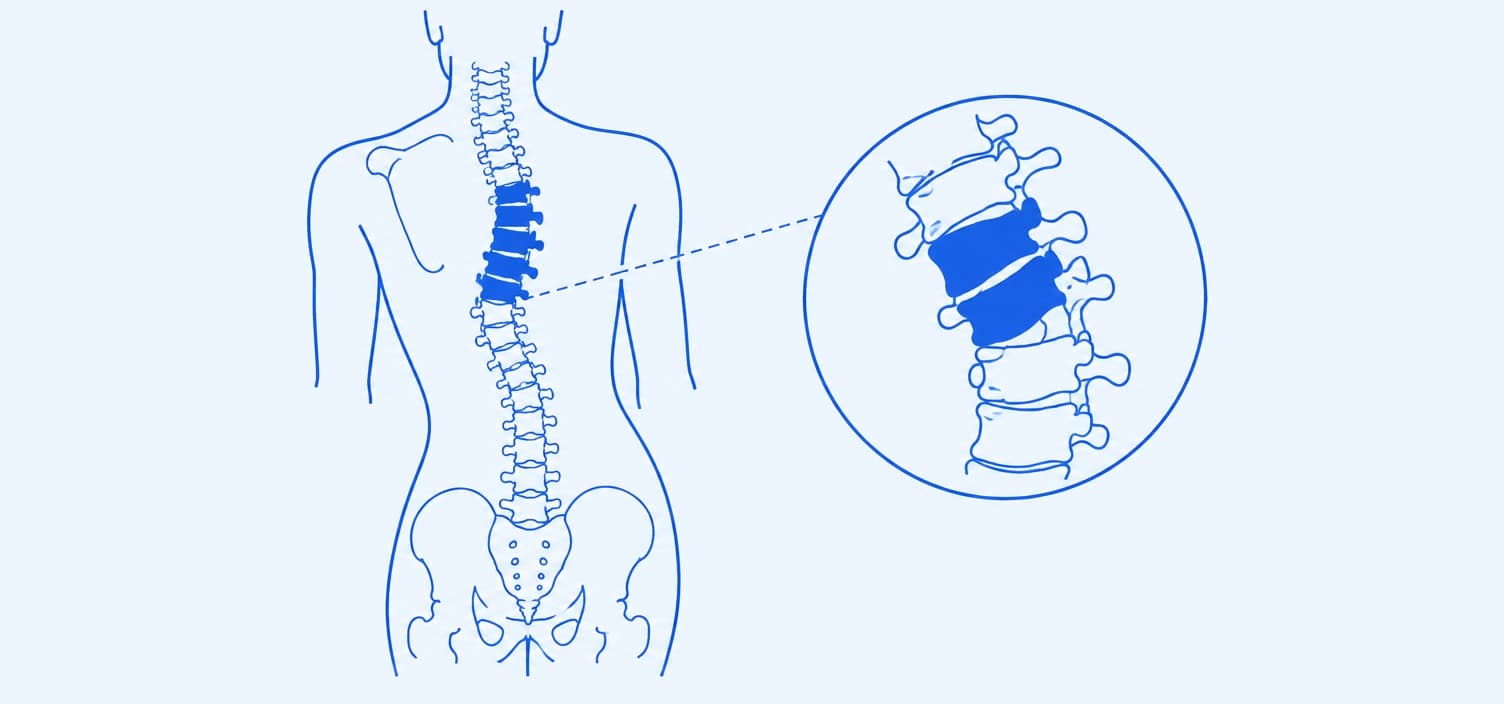
Scoliosis diagram showing a sideways S-shaped curve of the spine with rotated vertebrae at the peak of the curve
Scoliosis: the spine curves sideways, and the vertebrae at the peak of the curve also twist, which tilts the shoulders and hips.

Here's the part that surprises most families: scoliosis isn't only a side-to-side bend. The spine also rotates as it curves, which is why one shoulder blade or one side of the ribs can look more prominent when someone bends forward. In most teenagers the curve develops quietly, without pain, during a growth spurt. That's exactly why it's so often spotted by a parent, a tailor or a school check rather than by the child.

In children, the curve usually grows with the spine, so timing and growth matter most. Pediatric Neurosurgery → In adults, it's more often wear-related and the concern is pain, not growth. Either way, not every problem needs a surgery, and most scoliosis is simply watched over time.

Types

Types of Scoliosis

Your X-ray report will usually name the type and give the curve in degrees. The type explains why the spine curved; the degrees describe severity. Together, they decide whether it's watched, braced or corrected.

Idiopathic

The most common type, with no single identifiable cause. It usually appears in otherwise healthy children around puberty and tends to run in some families.

Congenital

Present from birth, caused by vertebrae that didn't form or separate properly in the womb. It's often found early, sometimes alongside heart or kidney differences.

Neuromuscular

Conditions like cerebral palsy, muscular dystrophy or spina bifida affect the muscles and nerves that keep the spine upright. These curves often progress faster.

Degenerative

Also called adult de novo scoliosis, it starts later in life as discs and facet joints wear unevenly. Back and leg pain are common complaints.

Symptoms

Signs of Scoliosis To Look For

  • UNEVEN SHOULDERS

    One shoulder sits higher than the other, or one shoulder blade sticks out more, often first noticed in a mirror, a photo or when clothes hang unevenly.

  • UNEVEN WAIST OR HIPS

    One side of the waist creases more deeply than the other, or one hip sits higher, so trousers and skirts hang crooked even at the right size.

  • RIB HUMP

    When bending forward to touch the toes, one side of the back or ribcage rises higher than the other because the spine is rotating as it curves.

  • BACK PAIN

    Teenagers rarely feel pain from the curve itself, but adults, especially with degenerative scoliosis, often have a lower back ache that builds through the day.

  • LEANING POSTURE

    The body tilts to one side or the trunk looks shorter, and adults sometimes notice they've lost height or tire quickly when standing or walking.

When To Worry

Most Scoliosis Is Not An Emergency

Scoliosis almost always develops over months or years, so there's time for a planned visit and proper X-rays. What matters more than the size of the curve is whether it comes with nerve symptoms, since those point to pressure on the spinal cord or nerves.

Seek Immediate Care If You Also Have:

Causes

Scoliosis Causes: What's Behind the Curve

  1. 01

    No Single Cause

    Most scoliosis has no identifiable cause. Researchers believe several genes play a part, interacting with rapid growth, which is why the curve often appears around puberty.

  2. 02

    Spine Wear With Age

    Uneven wear in the discs and small joints of the lower back lets the spine tilt, which is how most new curves start in older adults.

  3. 03

    Nerve and Muscle Conditions

    Cerebral palsy, muscular dystrophy, spina bifida and spinal cord problems can leave the trunk muscles too weak or unbalanced to hold the spine straight.

  4. 04

    Vertebrae Formed Differently

    A vertebra that's wedge-shaped or fused to its neighbour before birth makes the spine grow unevenly, so the curve appears early and can progress with growth.

Who's More Likely To Get Scoliosis

  • AGE 10 TO 15

    Idiopathic curves usually appear in the growth spurt around puberty and can progress fastest while a child is still growing.

  • FEMALE SEX

    Boys and girls develop mild curves at similar rates, but girls are more likely to see the curve worsen and need treatment.

  • FAMILY HISTORY

    Scoliosis in a parent or sibling raises the odds, though most children diagnosed with it have no affected relatives at all.

  • AGE OVER 50

    Disc and joint wear builds with age, so adults over 50 carry a higher chance of degenerative scoliosis, especially alongside osteoporosis.

Diagnosis

How Scoliosis Is Diagnosed

  1. 01

    Forward Bend Test

    Dr. Sunkara checks your shoulders, waist and hips, then asks you to bend forward. A rib or back hump on one side shows the spine is rotating, a classic sign of scoliosis.

  2. 02

    Standing X-Ray

    A full-length standing X-ray of the spine confirms the diagnosis. The Cobb angle, measured between the most tilted vertebrae, gives the curve in degrees; 10 degrees or more counts as scoliosis.

  3. 03

    What Results Mean

    Curve size, curve location and how much growing is left, often read from the same X-ray, decide the plan. Adults with leg pain or weakness may also need an MRI to check nerve compression.

Treatment

How Scoliosis Is Managed

Does a curve always mean an operation? No. Most scoliosis is watched or braced, and surgery is kept for curves that are large, worsening or pressing on nerves.

  • MOST CASES

    are mild curves under about 25 degrees, which are simply watched with a check-up and X-ray every few months.

  • SOME CASES

    need a brace while a child is still growing, or targeted physiotherapy to ease pain and strengthen the muscles around the spine.

  • FEW CASES

    need surgery, usually for curves beyond about 45 to 50 degrees, fast progression, or nerve compression that's causing weakness.

Treatment Options Dr. Sunkara Offers

  1. 01

    Observation

    NON-SURGICAL

    Regular check-ups and standing X-rays track mild curves, so treatment only starts if the curve actually grows. For many people, that's all scoliosis ever needs.

  2. 02

    Bracing

    NON-SURGICAL

    A custom brace worn for many hours a day while a child grows can stop a moderate curve from worsening. It doesn't straighten the spine permanently.

  3. 03

    Physiotherapy

    NON-SURGICAL

    Scoliosis-specific exercises and core strengthening improve posture, ease back pain and help adults stay active. They're often used alongside bracing or after surgery.

  4. 04

    Spine Surgery

    SURGICAL

    Spinal fusion with rods and screws corrects and holds a large curve. Growing children may need growth-friendly rods, and minimally invasive approaches suit selected cases.

    Explore Spine Surgery Options →
Outlook

Scoliosis Degrees and Severity: Will It Get Worse?

The honest answer is that most curves don't. Whether scoliosis worsens depends on its size in degrees and how much growing is left. Many families arrive expecting surgery and leave with a plan to watch and wait, and when an operation is needed, it's less daunting than most people expect.

  • UNDER 25 DEGREES

    is the mild range on the Cobb scale, where most curves stay and regular check-ups are usually enough.

  • 72% VS 48%

    of braced versus unbraced teenagers avoided reaching 50 degrees, so wearing the brace while still growing matters.

  • IF IGNORED

    a curve past 50 degrees can keep growing in adulthood, and untreated large curves are linked to more chronic back pain later in life.

Living With It

Living Well With Scoliosis

Small, steady habits keep most people with scoliosis active, comfortable and on track.
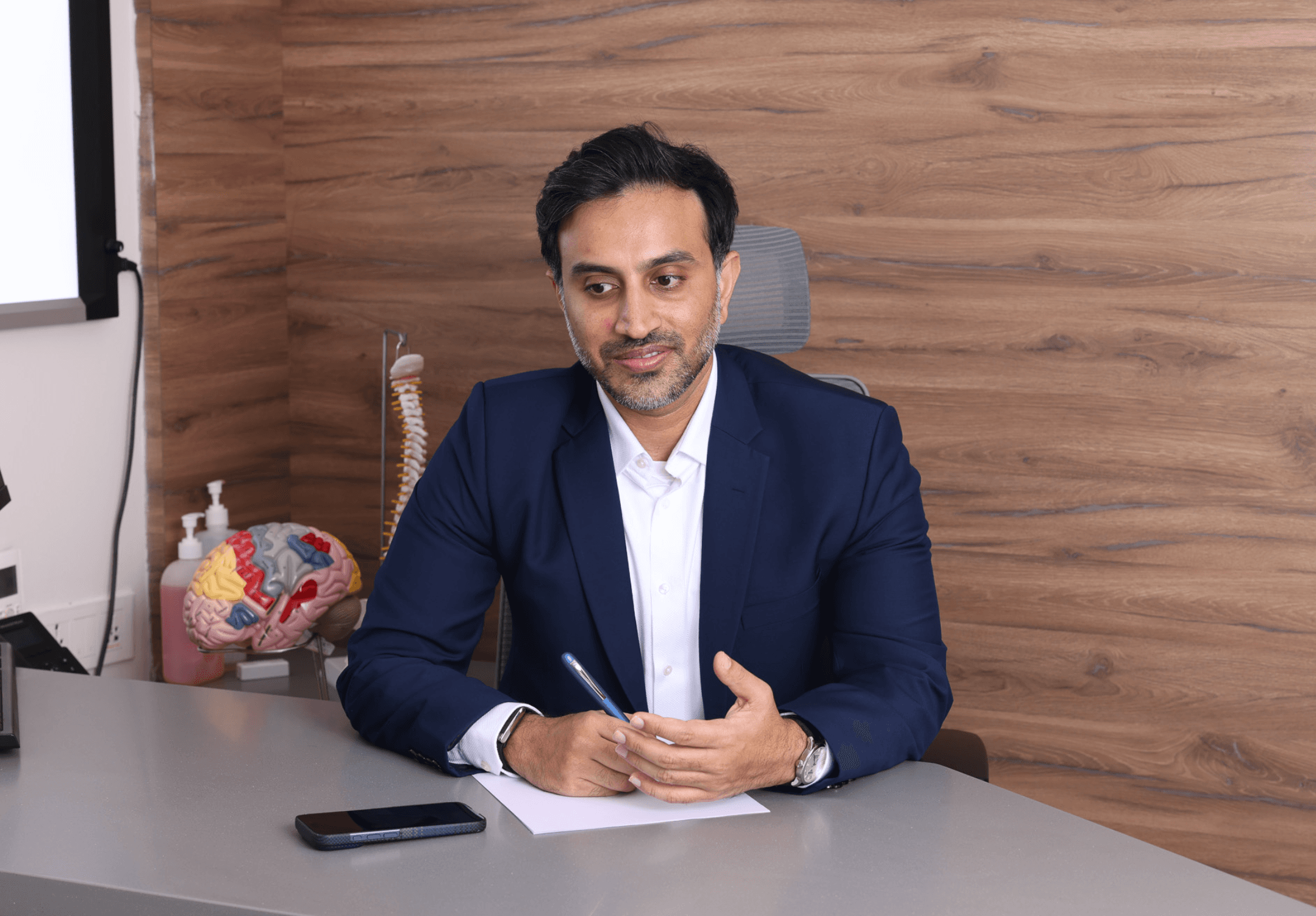
Dr. Raveesh Sunkara at his consultation desk, talking a patient through their condition
Before Your Appointment

Questions To Ask Your Doctor

  1. 01

    What type of scoliosis do I have, and what's the Cobb angle?

  2. 02

    How much growing is left, and how could that affect the curve?

  3. 03

    Is the curve likely to progress, and how often should it be rechecked?

  4. 04

    Would a brace or physiotherapy help, and for how long?

  5. 05

    At what point would surgery become worth considering in my case?

Told Your Curve Needs Surgery? Get Clarity First

A second opinion on your X-rays can confirm the curve's size and whether watching, bracing or surgery suits you.

TESTIMONIALS

Trusted By Families Across India And Abroad.

★★★★★

Review summary

He had trouble walking and holding his posture. Dr. Sunkara listened patiently, explained the issue in detail and advised surgery, and he feels much better now.

Aarif S.

Walking and posture

★★★★★

Review summary

What stood out in her mother's treatment was that every non-operative option was explored first, with surgery kept as the final step.

Shailaja B.

Mother's spine care

★★★★★

Review summary

After 5 years of severe back pain with no clear diagnosis elsewhere, Dr. Sunkara patiently explained the root cause and gave her hope of a lasting fix.

Geetha A.

Long-term back pain

FAQ

Your Scoliosis Questions, Answered

Scoliosis is a sideways curve of the spine of 10 degrees or more, usually with some twisting of the vertebrae. Most cases are mild and are simply monitored rather than treated.

Get In Touch

Have An X-Ray Report That Mentions Scoliosis?

Book a consultation to understand your curve and your options, or get a second opinion on your X-rays before deciding on bracing or surgery.

Dr. Raveesh Sunkara

Written & reviewed by Dr. Raveesh Sunkara, Senior Consultant Neurosurgeon & Spine Surgeon · Last updated September 2026 · Next review due March 2027