
Reviewed personally by Dr. Sunkara · Written for Spine Surgery in Hyderabad · Updated September 2026
Quick Answer
Spine surgery in Hyderabad treats problems like slipped discs, spinal stenosis, and spinal cord compression, usually after non-surgical care hasn't worked. Options range from microdiscectomy and laminectomy to spinal fusion and endoscopic techniques. Most patients start with a minimally invasive approach. Open surgery is kept as the last resort for complex and unstable spine conditions.
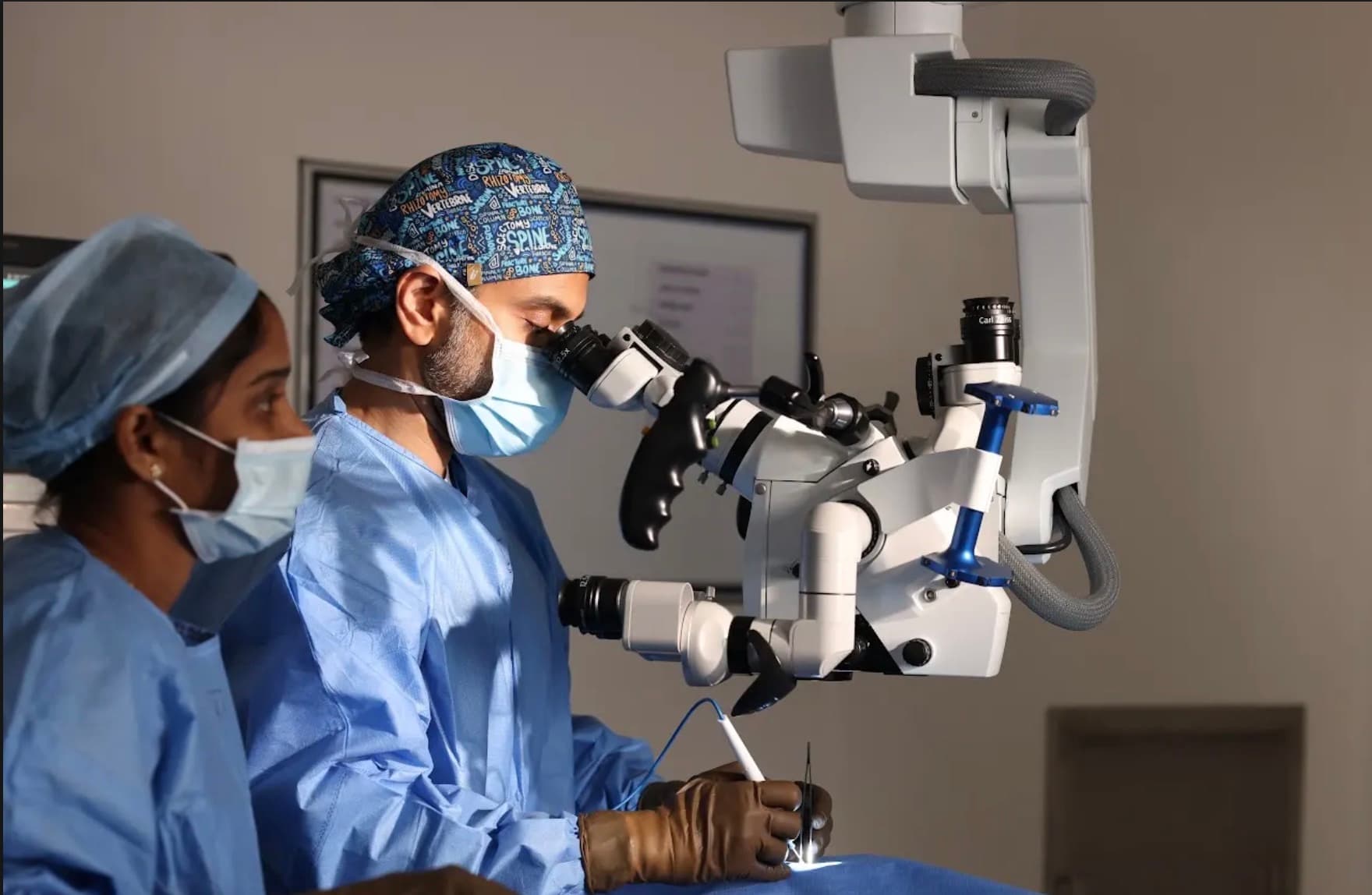
Dr. Raveesh Sunkara, a spine expert working in tertiary and quaternary care centres, sees many patients after physiotherapy, medication, or injections haven't given lasting relief. By that point, surgery is one option among several, not the default answer.
Here's the thing: surgery is not as scary as you think. Most procedures now use small incisions and short stays, and Dr. Sunkara favors minimally invasive or endoscopic techniques wherever possible. Open surgery is saved for the cases that genuinely need it, not offered as a first move.
Spine surgery gets considered once non-surgical treatment for these conditions hasn't given lasting relief.
01
Dr. Sunkara reviews your history, exam findings, and imaging together, to confirm which structure is causing your symptoms and whether surgery is actually warranted.
02
The approach depends on your condition. Most cases use a minimally invasive or endoscopic technique through a small incision, under local or general anesthesia.
03
You're monitored in a recovery area, then moved to a room. Most patients are walking with assistance within hours, not days.
A short list of what to expect and prepare before your surgery date.
01
A camera-guided technique through an incision smaller than standard minimally invasive surgery, often with a faster return home. Covered in full on its own page.Endoscopic Spine Surgery →
02
Joins two or more vertebrae to stabilize the spine, used for instability, spondylolisthesis, or after significant decompression.
03
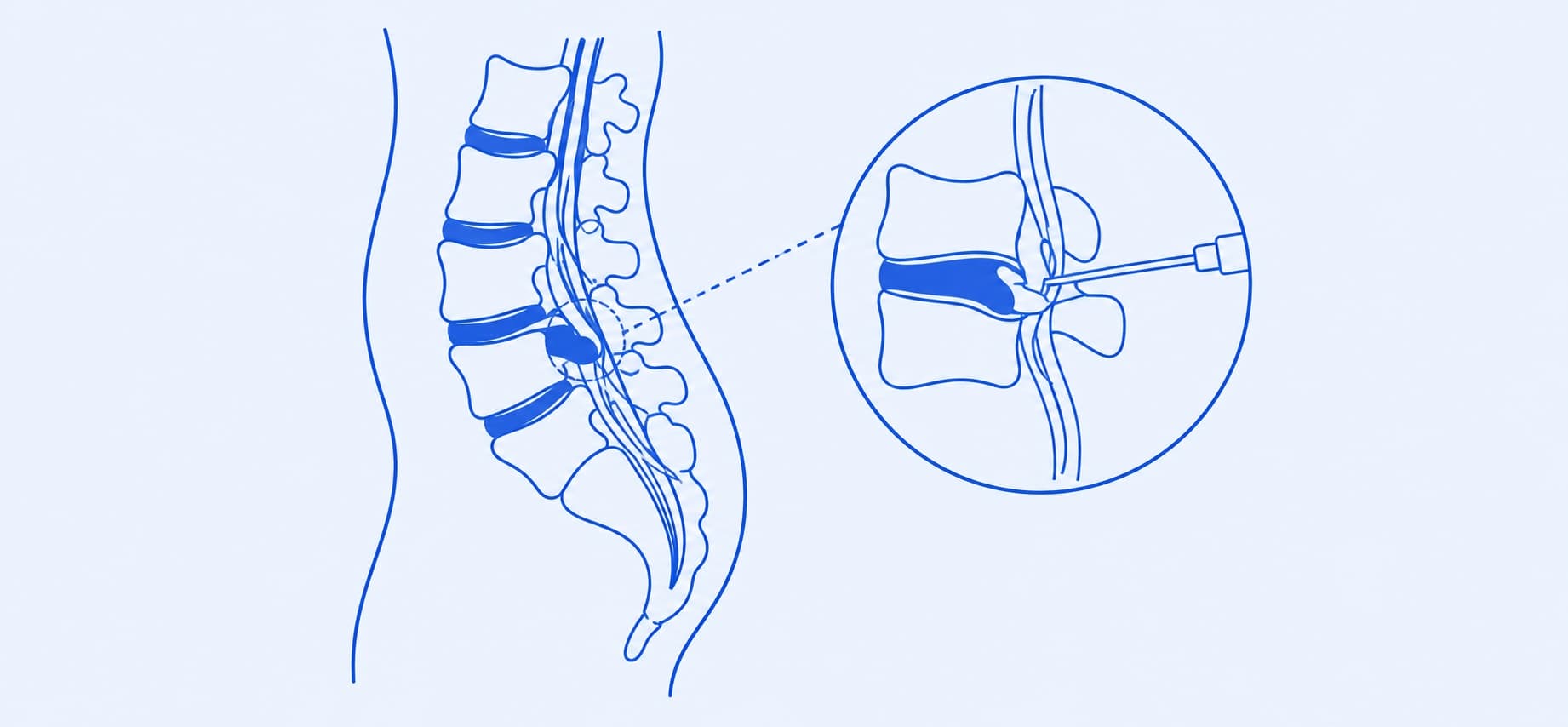
Removes the portion of a herniated disc pressing on a nerve, through a small incision using an endoscope or microscope. It's the most common surgery for disc-related leg pain.
04
Removes bone or tissue narrowing the spinal canal, relieving pressure on the spinal cord or nerves in cases of stenosis.
05
A front-of-neck approach that removes a damaged cervical disc pressing on a nerve or the spinal cord, then fuses the adjacent vertebrae to restore stability.
01
Most patients walk with support the same day, with pain controlled by medication and nerve function checked regularly by the team.
02
Most minimally invasive patients go home in this window with a simple walking plan. Fusion usually means a few more hospital days.
03
Light daily activity resumes. Desk work and short drives typically return in this window, and a follow-up visit checks your wound and progress.
04
Physiotherapy rebuilds core and back strength. Most patients return to normal activity, including exercise, once Dr. Sunkara confirms healing on review.
Every spine surgery outcome depends on the specific condition being treated, not a single number.
Spine surgery is generally safe, but like any surgery it carries some risk. Dr. Sunkara walks through each one with you before you decide.
Possible Risks
Cost depends on the procedure. A microdiscectomy costs less than a multi-level fusion. Costs range from about ₹1.5 lakh to ₹3 lakh, and insurance often covers medically necessary surgery.
Book a consultation with Dr. Sunkara, or start with a second opinion if you've already been told surgery is your only option. Either way, you'll leave with a clear next step.

Written & reviewed by Dr. Raveesh Sunkara, Senior Consultant Neurosurgeon & Spine Surgeon · Last updated September 2026 · Next review due March 2027