
Reviewed personally by Dr. Sunkara · Written for Spinal Cord Injury · Updated September 2026
Quick Answer
A spinal cord injury is damage to the nerve bundle running through your spine, which carries messages between the brain and the rest of the body. It can weaken or stop movement, feeling and organ control below the injured point. It's an emergency, but fast care and rehab can protect remaining function.
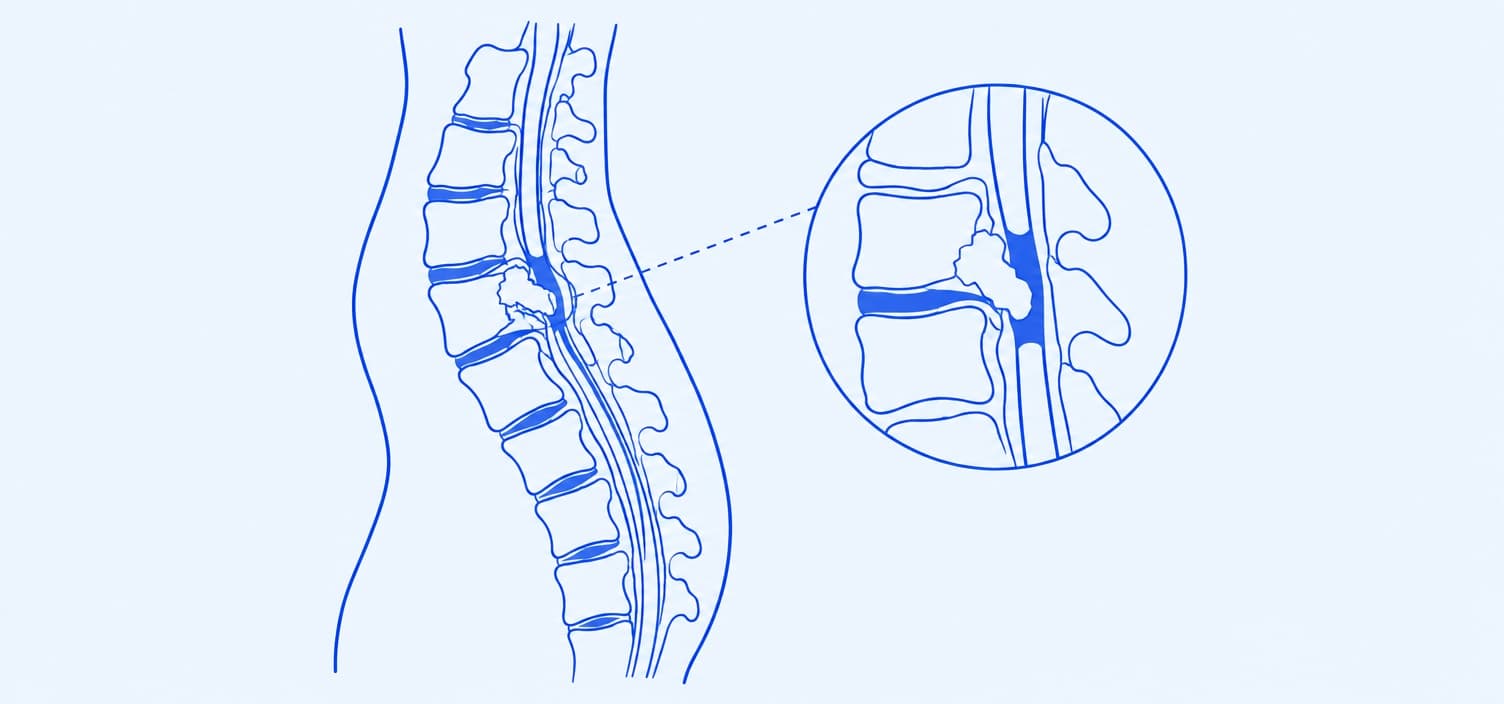
Think of the spinal cord as a cable of millions of nerve fibres, protected by the bones of your spine. When those bones break or shift, the cord can be bruised or squeezed, and far less often, torn. Oddly, pain isn't what tells doctors the most. Two things do: how high the injury sits, and whether any signals still get through. Together, they shape almost everything that follows.
A spinal cord injury most often follows a road accident or a sports-related injury in younger adults, or a fall in older ones, and the neck is the most commonly injured area. Not every spinal cord injury needs surgery, either. Some settle with bracing, close monitoring and rehabilitation alone.
Doctors describe every spinal cord injury in two ways. Spinal cord injury levels name where along the spine it happened. The ASIA scale grades how complete it is, and your report will name one grade.
Don't wait and see. If you suspect a spinal cord injury, call emergency services straight away and don't move the person unless they're in immediate danger, such as a fire. Moving an unstable neck or back can turn a partial injury into a permanent one.
Call For Emergency Help If You Notice:
01
At the scene and in the emergency room, the spine is kept still while doctors check breathing, blood pressure, strength, feeling and reflexes to start working out the level of injury.
02
A CT scan quickly shows broken or displaced bones in the spine. An MRI then shows the cord itself, along with any disc, blood clot or swelling pressing on it.
03
A detailed nerve exam, repeated over the first few days as early swelling settles, sets your ASIA grade and level. That tells you whether the injury is complete or incomplete.
Surgery isn't always part of the plan, and when it is, the aim is simple: take pressure off the cord and steady the spine. Care moves through three phases.
A rigid collar, spine board or brace holds the injured section still, preventing further damage while scans are done and decisions are made.
Removes the bone fragments, disc material or blood clot pressing on the cord, giving the surviving nerve fibres a better chance of recovering.
See Spine Surgery →Screws and rods hold a fractured or unstable spine in place, often through small incisions, so you can sit up and start rehab sooner.
See Spine Surgery →Physiotherapy, occupational therapy and bladder and bowel training help you regain as much function and independence as your injury allows.
Often, yes, at least partly. Recovery depends mostly on three factors: whether the injury is complete or incomplete, how high it sits, and how early treatment started. People with incomplete injuries tend to regain more movement and feeling. Complete injuries usually bring lasting changes, and rehab helps you adapt to them with confidence.
Life after the injury builds a new routine, and small daily habits protect your long-term health.


DAILY SKIN CHECKS
Check your skin every day for red patches and change position regularly, since pressure sores form quickly where you can't feel discomfort.
BLADDER ROUTINE
A regular bladder and bowel programme, set up with your rehab team, lowers the risk of infections and makes going out far easier.
STAY ACTIVE
Keep up the exercises your physiotherapist sets, even after formal rehab ends, to protect strength, circulation, bone health and mood.
PREVENTING INJURY
Wear a seatbelt, check water depth before diving and make homes fall-safe for older relatives. Most spinal cord injuries are preventable.
Is my injury complete or incomplete, and what's my ASIA grade?
At what level is my spinal cord injured, and what does that affect?
Is anything still pressing on my cord that surgery could relieve?
How much recovery is realistic for me, and over what time frame?
Which rehabilitation programme do you recommend, and when should it start?
A second opinion on your scans can confirm whether surgery will help before you or your family decide.
A spinal cord injury is damage to the nerves inside the spine that carry signals between the brain and body. It can affect movement, feeling, breathing and bladder control below the injury.
Book a consultation to plan care after a spinal cord injury, or get a second opinion on the scans and surgery advice you've already been given.

Written & reviewed by Dr. Raveesh Sunkara, Senior Consultant Neurosurgeon & Spine Surgeon · Last updated September 2026 · Next review due March 2027