
Reviewed personally by Dr. Sunkara · Written for Spinal Tuberculosis (Pott's Disease) · Updated September 2026
Quick Answer
So, what is spinal tuberculosis? Also known as Potts disease, it's tuberculosis that has spread from the lungs into the bones of the spine, most often affecting more than one vertebra at once. Unlike normal TB, which mainly affects the lungs, spinal tuberculosis slowly destroys bone and disc tissue. Most people recover fully with a complete course of medicine.
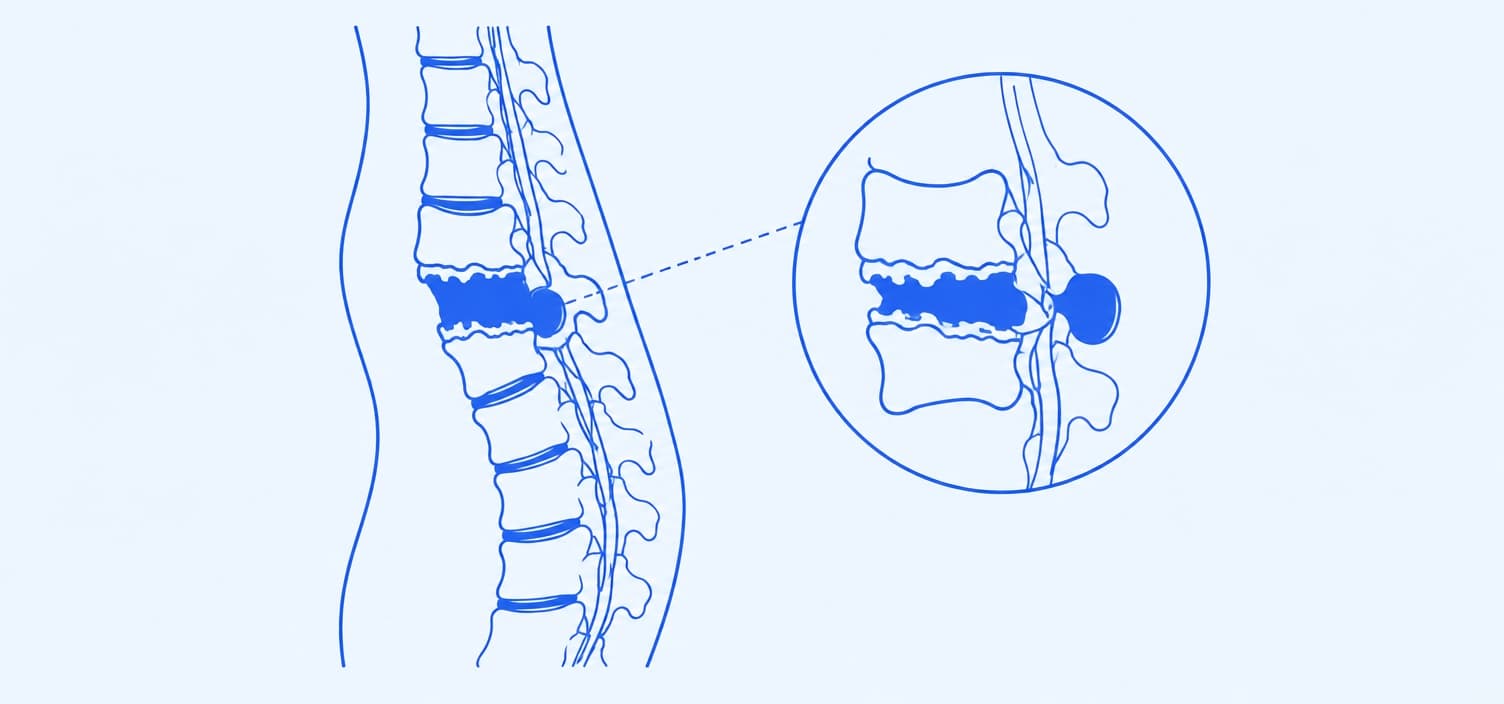
Here's something most people don't expect: spinal tuberculosis rarely starts with an obvious injury. The infection actually begins in the lungs, sometimes years earlier, before TB bacteria travel through the bloodstream and settle into a vertebra. From there, it eats away at the bone and the disc between two vertebrae, usually spreading to a neighbouring level before back pain ever becomes severe enough to investigate. By the time most patients arrive at Dr. Raveesh Sunkara's clinic, the infection has already been active for months.
Not every problem needs a surgery, and that's especially true here. Most cases of spinal tuberculosis are cured with a full course of anti-TB medicine alone. Surgery only becomes part of the conversation when the spine is unstable or a nerve is under real pressure.
Honestly, the stages on a radiology report can sound more frightening than they are. Spinal tuberculosis moves through a fairly predictable pattern, and knowing which stage you're in shapes how urgently treatment needs to start.
Spinal tuberculosis usually progresses slowly enough that there's time to start treatment properly rather than rushing. The signs that change that are new weakness, numbness or bladder trouble, because they mean the infection may be pressing on the spinal cord.
Seek Immediate Care If You Also Have:
01
Dr. Sunkara starts with your history: how long the pain has lasted, any past TB exposure, fevers, or weight loss. A focused exam checks for tenderness, swelling, and early nerve involvement.
02
An MRI shows the pattern that suggests spinal tuberculosis: bone and disc destruction spreading across two vertebrae, often with an abscess nearby. It's the most useful imaging test for planning treatment.
03
A needle or CT-guided biopsy is the test that actually confirms the diagnosis, identifying TB bacteria under the microscope or through culture and PCR testing.
What if the answer to spinal tuberculosis wasn't surgery at all? For most people, a full course of medicine treats the infection completely, with surgery reserved for the few who need it.
A combination of antibiotics taken for six to twelve months clears the infection in most patients, without any surgery at all.
A supportive brace worn during treatment protects an unstable or weakened spine while the medicine takes effect and bone heals.
When a large pus collection forms beside the spine, a needle guided by CT or ultrasound can drain it, easing pain without open surgery.
For the few cases with spinal instability or nerve compression, surgery removes infected tissue and stabilizes the spine with implants or bone graft.
See Surgical Options →The direct answer is yes. Many patients arrive worried they'll need surgery, only to find a full course of medicine is all their spine ever needed. Spinal tuberculosis responds well to timely, complete treatment, especially when it's caught before major bone damage or nerve involvement sets in.
A few consistent habits support recovery just as much as the medicine itself.


TAKE EVERY DOSE
Completing the full course of medicine, even after symptoms improve, is the single biggest factor in preventing the infection from returning.
PROTECT YOUR SPINE
Wear a prescribed brace as directed and avoid heavy lifting or twisting while the bone and disc are still healing.
EAT WELL
Good nutrition supports the immune system's ability to fight the infection and speeds up how quickly bone rebuilds itself.
WATCH FOR CHANGES
Report any new weakness, numbness, or worsening back curve promptly, since catching a change early keeps treatment options open.
Which stage is my spinal tuberculosis at based on my scans?
How long will I need to take anti-TB medicine for?
Do I need a brace, and for how many months?
Are there early signs that surgery might become necessary?
What follow-up scans or tests will track my recovery?
A second opinion can confirm your diagnosis and treatment plan before you commit to months of medicine or bracing.
Spinal tuberculosis is a TB infection that spreads from the lungs into the bones of the spine, usually affecting more than one vertebra. Most people recover fully with a complete course of medicine.
Book a consultation to get your back pain properly investigated, or a second opinion if you've already been told you need surgery for spinal tuberculosis.

Written & reviewed by Dr. Raveesh Sunkara, Senior Consultant Neurosurgeon & Spine Surgeon · Last updated September 2026 · Next review due March 2027