
Reviewed personally by Dr. Sunkara · Written for Epilepsy Surgery in Hyderabad · Updated September 2026
Quick Answer
Epilepsy surgery in Hyderabad is a neurosurgical procedure that removes or disconnects the part of the brain generating seizures, offered when two or more anti-seizure medications have failed to control them. It's considered only after detailed evaluation traces seizures to one identifiable area, and options range from removing a small lesion to implanting a nerve stimulator.
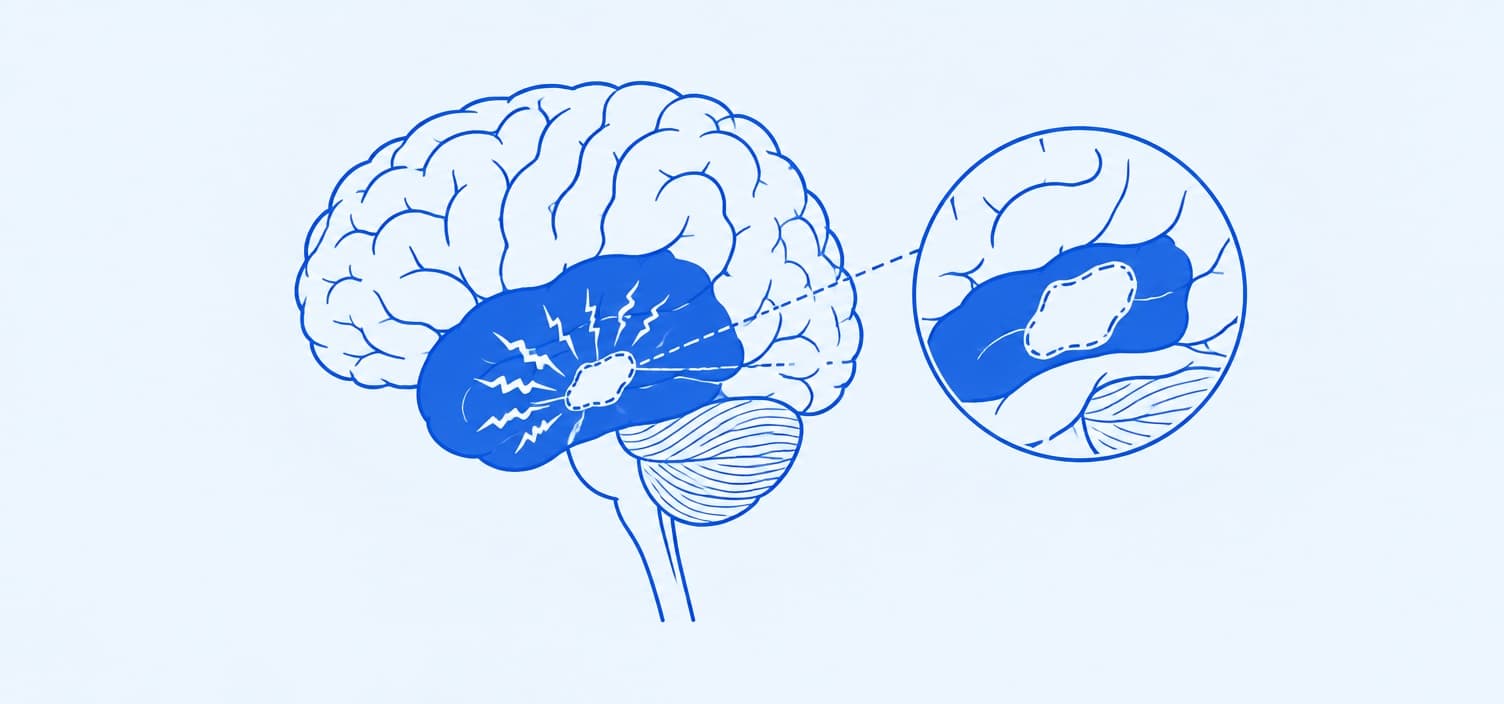
Why does epilepsy surgery still sound like a last resort? The best epilepsy treatment in Hyderabad usually starts with medication. The World Health Organization estimates 50 million people worldwide live with epilepsy, and surgery is for the smaller group whose seizures keep breaking through despite trying more than one drug.
One recent patient was a 4-year-old with a severe, drug-resistant form of epilepsy called startle seizures, where even a phone ringing could trigger one. Dr. Sunkara performed a corpus callosotomy, and the child is now almost seizure-free on basic medication alone. Epilepsy surgery isn't the last resort it's often made out to be.
Surgery becomes an option once seizures are shown to come from one part of the brain that medication alone hasn't controlled.
01
Video EEG monitoring, MRI, electrocorticography (ECoG), and neuropsychological testing confirm exactly where seizures start and map that area against the brain functions surgery has to protect.
02
Dr. Sunkara removes or disconnects the seizure focus using microscopic or minimally invasive techniques, guided by the mapping done well before the operation date.
03
Patients are monitored closely for seizure activity, neurological changes, and how the brain settles in the first hours after the operation ends.
Every epilepsy surgery candidate goes through a structured work-up designed to pinpoint the seizure focus precisely.
01
The seizure-generating area, most often in the temporal lobe, is carefully removed once mapping confirms it can be taken out without affecting speech, memory, or movement.
02
A focused removal of just the structural lesion causing seizures, sparing the healthy brain tissue around it and often shortening recovery compared to a wider resection.
03
A small device implanted near the collarbone sends regular pulses to the vagus nerve, reducing seizure frequency for patients who aren't candidates for resective surgery.
04
Reserved for severe, drug-resistant cases with frequent drop seizures, this procedure disconnects the two halves of the brain to stop seizures from spreading across them.
01
Close monitoring in the ICU watches for seizure activity, swelling, or any change in alertness right after the operation.
02
Once swelling settles, you'll move to a regular ward, and EEG checks show how the brain's handling the change.
03
Stitches come out around the second week. Energy returns slowly, and medication levels get reviewed as daily routines restart.
04
Follow-up EEG and imaging check how well the seizure focus was addressed, and any medication taper gets planned from here.
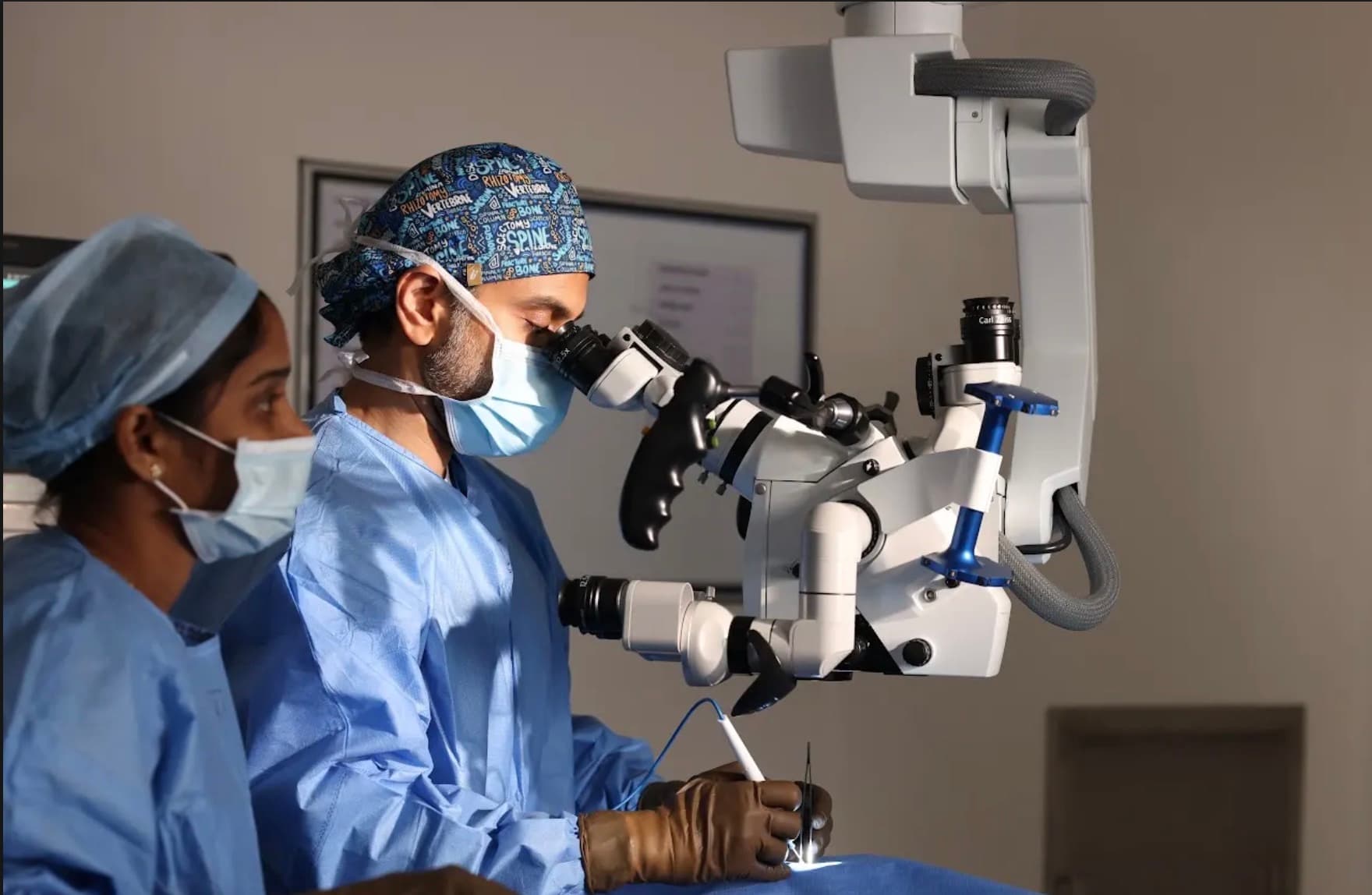
Every outcome depends on where seizures start and how surgery is planned around it.
Epilepsy surgery in Hyderabad carries real risks, like any brain operation, but serious complications are uncommon with careful evaluation and planning.
What The Risks Include
Candidates are usually patients whose seizures continue despite trying two or more anti-seizure medications, with a focus traced to one part of the brain through detailed evaluation.
Bring your EEG reports and scans, even if another team has said surgery isn't possible. Dr. Sunkara will tell you plainly what the evidence supports.
Written & reviewed by Dr. Raveesh Sunkara, Senior Consultant Neurosurgeon & Spine Surgeon · Last updated September 2026 · Next review due March 2027