
Reviewed personally by Dr. Sunkara · Written for Head Injury Treatment in Hyderabad · Updated October 2026
Quick Answer
Head injury treatment in Hyderabad starts with the nearest emergency department, not a scheduled appointment, because a CT scan right after the injury decides everything that follows. Most head injuries are mild concussions needing observation rather than surgery. A smaller group, usually involving bleeding or a blood clot inside the skull, needs urgent neurosurgical treatment instead.
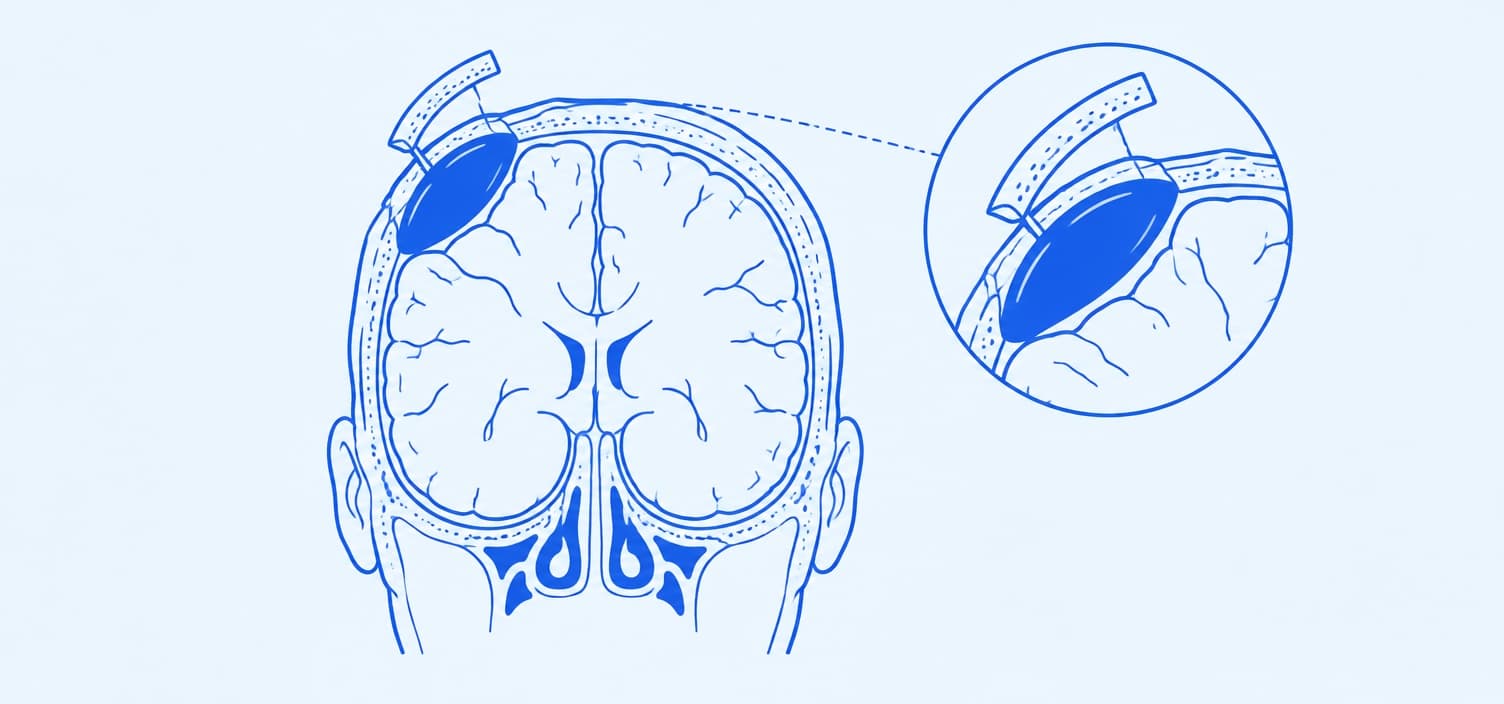
Whether a head injury needs surgery has little to do with how bad it looks from the outside. The first scan decides that. For traumatic head injury treatment in Hyderabad, a neurosurgeon steps in once a scan shows bleeding, a blood clot, or dangerous swelling inside the skull.
Many patients arrive braced for an operation after a fall or a blow to the head. Repeat scans over a few hours often show nothing is getting worse, and they go home with a rest plan instead. Surgery is not as scary as you think. It's just not always necessary.
Head injury treatment becomes urgent the moment certain warning signs appear after a fall, an accident, or a blow to the head.
01
At the emergency department, the team checks how alert you are and gets a CT scan quickly to see exactly what's happening inside the skull.
02
The scan shows whether there's bleeding, a blood clot, or swelling, and that result decides whether you're observed, monitored in ICU, or taken for urgent surgery.
03
Once treated or cleared for observation, you're watched closely for any change in alertness, since some bleeding inside the skull can worsen hours after the injury.
On arrival, the emergency team works through four checks quickly, in roughly this order.
01
For moderate to severe head injuries, intensive care monitors brain pressure and oxygen levels continuously, catching any deterioration early enough to act on it.
02
An open procedure removes a section of skull temporarily to reach and remove a blood clot pressing on the brain, then the bone is replaced and secured.
03
For dangerous swelling that medicine alone can't control, a section of skull bone is removed and kept out temporarily to give the swollen brain room to expand safely.
04
A small hole drilled into the skull drains a chronic subdural haematoma, the slow bleed that often follows a minor fall in older adults.Chronic SDH Treatment →
01
Close monitoring in the ICU or a dedicated neuro unit watches closely for any change in alertness or new weakness developing.
02
These days carry the highest risk of swelling worsening, so monitoring stays close before any move toward a general ward.
03
Mild concussions often clear within days, while recovery after surgery for a blood clot builds back gradually, week by week.
04
Follow-up imaging confirms the brain has settled and checks for any new bleeding or fluid build-up needing further treatment.
Recovery after a head injury varies with how severe it was, so each group gets its own figure.
Head injury treatment in Hyderabad carries real risks, whether it's observation, ICU monitoring, or surgery, though serious complications are less common than most patients expect.
What The Risks Include
A ranking won't tell you much here. Ask how often the surgeon treats head injuries, and how well-equipped the practice is with a round-the-clock dedicated neuro critical care team and diagnostic services like CT or MRI.
Bring the scan from a recent head injury, or a surgery recommendation you'd like checked. Dr. Sunkara reviews every case personally and explains the options plainly.

Written & reviewed by Dr. Raveesh Sunkara, Senior Consultant Neurosurgeon & Spine Surgeon · Last updated October 2026 · Next review due April 2027