
Reviewed personally by Dr. Sunkara · Written for Slip Disc Treatment in Hyderabad · Updated October 2026
Quick Answer
Slip disc treatment in Hyderabad covers every option for a herniated or bulging disc pressing on a nerve, from rest, medication and physiotherapy to targeted injections, microdiscectomy or endoscopic discectomy. Most people improve without surgery. An operation is reserved for the minority whose pain, numbness or weakness doesn't settle with conservative care.
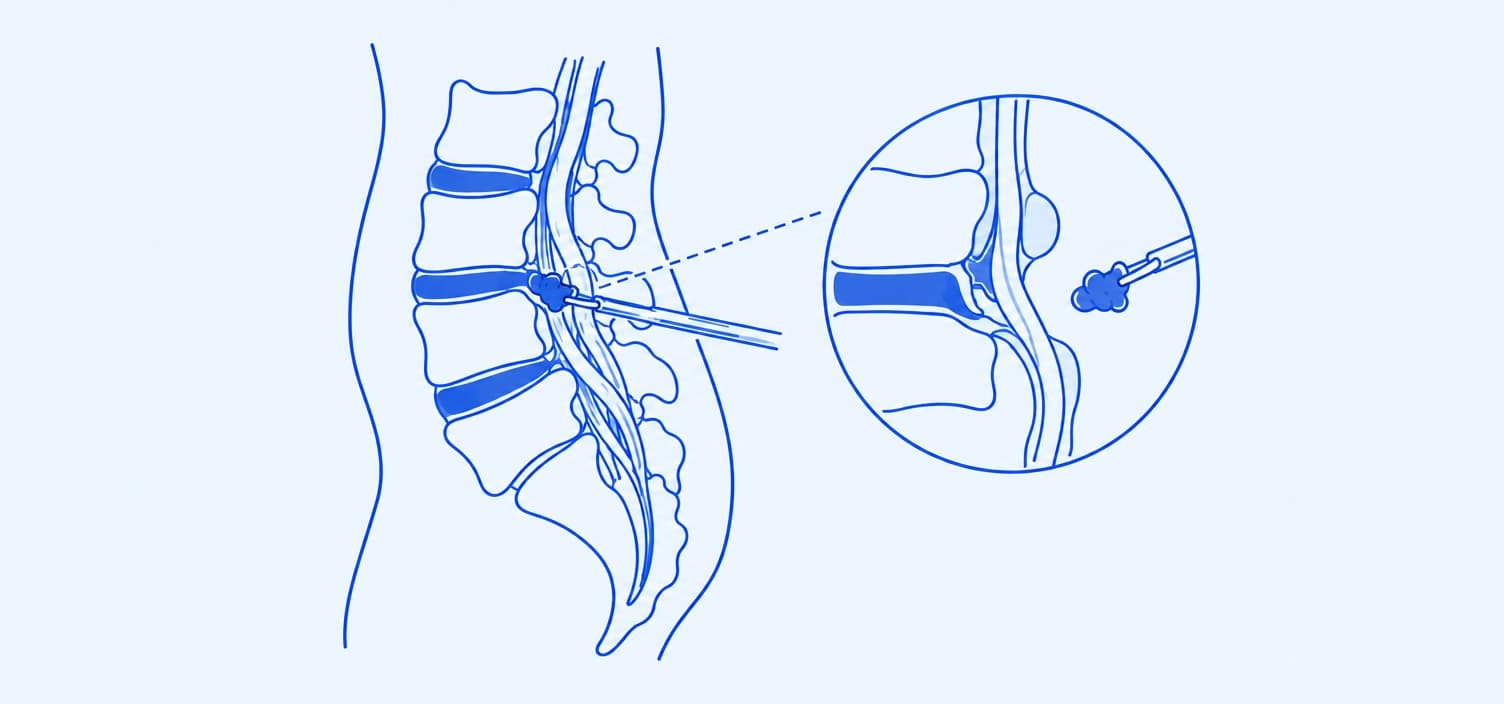
Most people assume a slip disc means surgery is coming. For most, it doesn't, and that genuinely surprises people. A slip disc, also called a herniated or prolapsed disc, happens when the cushioning between two vertebrae pushes out and irritates a nearby nerve, most often in the lower back.
Many patients arrive expecting to hear the word "operation." Most leave with a plan built around rest, physiotherapy and time instead, surgery only for the disc that doesn't respond. For the full range of spine surgery options, see Spine Surgery.Spine Surgery →
Slip disc symptoms range from a manageable ache to urgent nerve compression, and which treatment fits depends entirely on where you fall on that range.
01
An MRI confirms which disc is involved and how much it's pressing on the nerve, and Dr. Sunkara matches that finding to how severe your actual symptoms are.
02
Most patients start with medication, physiotherapy or a targeted injection, and surgery only enters the conversation when nerve symptoms persist or worsen despite weeks of conservative care.
03
When surgery is needed, a microdiscectomy or endoscopic discectomy removes the fragment pressing on the nerve. When it isn't, your plan gets adjusted instead.
Preparing for slip disc surgery depends on whether it's microdiscectomy or endoscopic discectomy, and most of it happens days earlier.
01
The standard surgical option for a herniated disc. A small incision removes the fragment pressing on the nerve, leaving the rest of the disc and joint intact.
02
A slip disc surgery without open cut in Hyderabad, done through a keyhole opening with a camera and fine instruments, often allowing a faster return to daily activity.Endoscopic Spine Surgery →
03
Removes a small portion of bone or ligament pressing on the nerve alongside the disc, often combined with a discectomy when there's extra narrowing of the spinal canal.
04
Reserved for a disc that herniates again at the same level, or when that spine segment has become unstable, fusing two vertebrae together for lasting stability.
01
Walking starts the same day for most endoscopic and microdiscectomy patients, once the anesthesia team confirms movement and sensation are normal.
02
Most patients go home within a day or two of surgery, once pain is controlled and walking feels steady.
03
Light daily activity and short walks resume, while heavy lifting, bending and long sitting are still avoided.
04
Core strengthening and physiotherapy rebuild support around the spine, and most patients return to normal activity by this point.
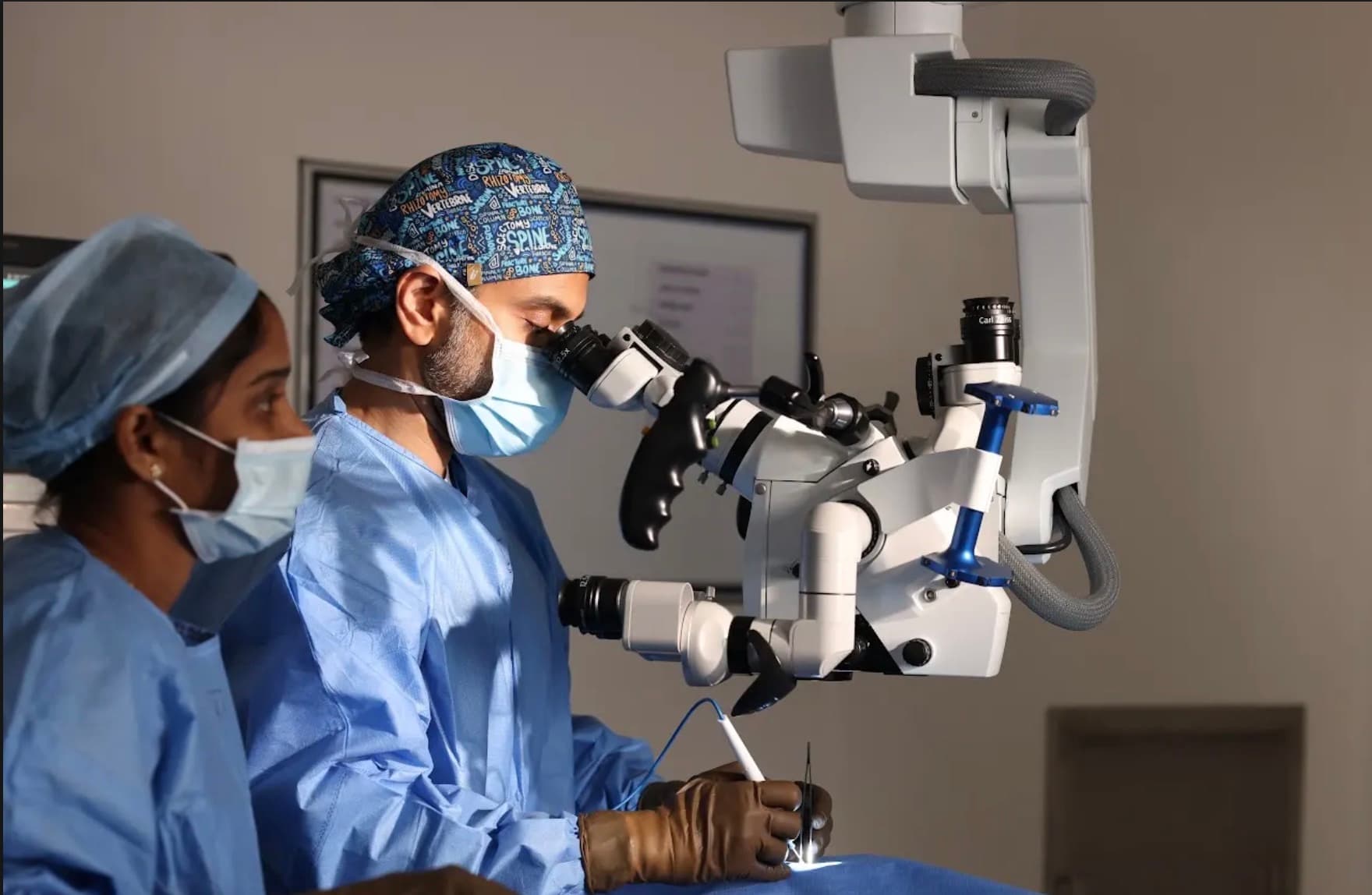
Most slip disc guides make surgery sound inevitable, but it rarely is: Dr. Sunkara has treated more than 1,000 slip disc patients, and 90% never need an operation.
What actually goes wrong during slip disc surgery? Less than you'd think, though every procedure, surgical or not, carries real risk.
What The Risks Include
There's no single ranking that decides this. Look for a surgeon who explains why conservative care might work before recommending an operation.
Whether you're weighing slip disc treatment in Hyderabad for the first time or want a second opinion on a proposed surgery, Dr. Sunkara reviews every case personally.

Written & reviewed by Dr. Raveesh Sunkara, Senior Consultant Neurosurgeon & Spine Surgeon · Last updated October 2026 · Next review due April 2027