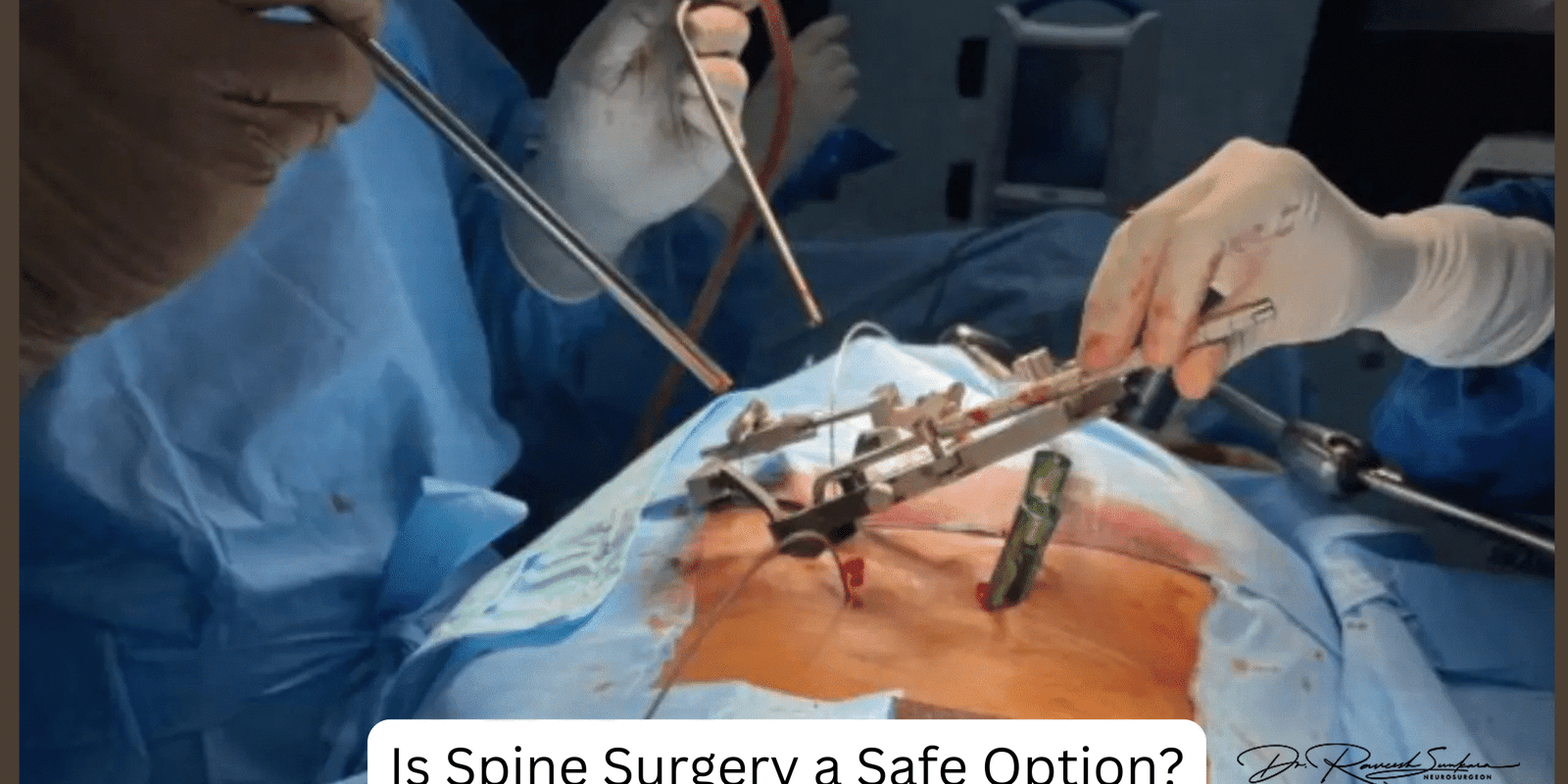
Yes, modern spine surgery is usually safe and successful when done by experienced surgeons. However, like any major operation, it has risks that patients should know about before they go ahead.
According to a report by Market and Data, the global spine surgery market is projected to grow from USD 14.8 billion in 2023 to USD 17.2 billion in 2031. This data shows that more and more people are opting for spine surgery. For many common conditions, the success rate is over 90%. This number shows that spine treatment has gotten a lot better over the years.
To find out “is spine surgery safe,” you can’t just look at easy yes or no answers. Thanks to new technologies, skilled surgeons, and careful patient selection, spinal surgeries have become a safe and effective treatment for people with debilitating diseases.
Key Takeaways
- When experienced surgeons do the most common modern spine surgery procedures, they have an 85% to 95% chance of making the patient better.
- India provides excellent spine care at much lower prices, with success rates on par with the best in the world.
- At well-respected centers that choose patients carefully, serious problems happen in only 3 to 5% of cases.
- For most spine problems, surgery should only be considered if conservative care hasn’t worked.
- The most important factors in getting good surgery results and making patients happy are how skilled and experienced the surgeon is.
Understanding Modern Spine Surgery Safety Standards
In the last twenty years, medical technology has completely changed spinal operations. Minimally invasive methods now let surgeons fix difficult issues with just a few small cuts.
These new techniques lower blood loss a lot. Also, they lower the risk of getting an infection and speed up healing times by a lot.
During surgery, advanced imaging technology gives doctors perfect help. Real-time guidance systems help keep you away from important structures, like nerves and blood vessels.
Anaesthesia tracking has gotten really advanced, which makes sure that people who are having surgery stay safe. Today’s operating rooms are kept completely clean so that problems after surgery don’t happen.
What Is the Spine Surgery Success Rate?
The spine surgery success rate depends on the operation done and the condition being treated. But most spine surgeries that are done often have great results.
Lumbar discectomy surgeries can get rid of leg pain in 85–95% of cases. For the right people, spinal fusion surgeries work 70–90% of the time.
The spinal cord surgery success rate depends a lot on how complicated the problem is. When decompression surgeries are done on the right people, they usually work very well.
For most diseases, cervical spine procedures have success rates of 80% to 95%. Minimally invasive methods often get better results with less trouble.
Factors Affecting Success Rates
There are a number of things that have a big effect on how well surgery goes:
- Surgeon expertise plays the most important role in getting good results.
- The general health of a patient affects how they heal and recover.
- When you step in matters a lot for the best results.
- Following recovery rules after surgery makes sure the benefits last.
- A correct evaluation tells you if surgery can fix the problem.
Success Rate of Spine Surgery in India
The success rate of spine surgery in India compares favourably with international standards. The best equipment and methods are used at top spine centers across the country.
India has become a place where people from all over the world visit to get good spine care. The spine surgery success rate in India ranges from 80-95% at reputed centres.
Several factors contribute to these impressive outcomes:
- Top hospitals with advanced facilities meet the standards of hospitals around the world.
- When surgeons who studied abroad come back to India, they bring with them the skills to help patients.
- Cost-effectiveness lets more patients get good care without ruining their finances. Thorough care after surgery makes sure that patients get the best possible recovery after their treatments.
The spinal cord operation success rate at the top indian centers rivals outcomes anywhere worldwide. Patients get individual care at every stage of their treatment.
Is Spine Surgery Dangerous? Understanding the Risks
Before agreeing to treatment, a lot of people ask, “Is spine surgery safe?” Spinal procedures have some risks that come with all big surgeries.
However, serious complications occur in less than 3-5% of cases at experienced centers. Most risks can be minimised through proper planning and execution.
Common Risks Include:
- In 1–2% of cases, the surgical site gets infected.
- Blood clots in legs or lungs (preventable with early mobilisation)
- Nerve damage that leads to weakness or numbness (rare with skilled doctors)
- Failed back surgery syndrome (often because the diagnosis was wrong)
- Hardware complications in fusion surgeries that need to be done again
Over time, these risks have been greatly lowered by modern techniques. Proper patient selection ensures that surgery helps people who really need it.
Most of the time, when problems happen, they can be fixed without long-lasting effects. Most people see big changes in their lives after surgery.
Choosing the Best Spine Surgeon Matters Tremendously
You need to do a lot of study to find the best spine surgeon in Hyderabad or the best spine surgery in India. As surgeons gain more knowledge, surgeries tend to have better outcomes.
| Quality Indicator | Why It Matters |
| Years of Experience | More procedures mean refined skills |
| Complication Rates | Lower rates indicate superior technique |
| Patient Reviews | Real experiences reveal care quality |
| Hospital Affiliation | Premier centres have better resources |
| Continuing Education | Staying current ensures best practices |
Ask potential surgeons about their complication rates and revision surgery percentage. Transparent doctors share this information with people who might become their patients.
When Is Spine Surgery Actually Necessary?
Some back pain cases can be treated without surgery. Most issues with the spine go away in a matter of weeks or months with conservative treatments.
Surgery becomes appropriate when:
- After 6 to 12 weeks of careful treatment, severe pain continues.
- Progressive brain deficits show up as weakness, numbness, or problems with the bladder or bowels.
- The health of the spinal cord is at risk because of structural instability.
- Infections or tumours need to be taken out right away.
- Quality of life drops a lot even though surgery isn’t done.
Before you even think about surgery, you should always try every non-surgical choice first. Many patients can skip surgery altogether with physical therapy, medications, and injections.

Maximizing Your Chances of Surgical Success
What a patient does before and after surgery can have a significant impact on how well it goes and how quickly they heal. Preparation begins weeks before the actual procedure date.
- To help your body heal, don’t smoke for at least four weeks before your surgery. Eating foods that are high in protein and drinking enough water every day will help you get the most out of your nutrition.
- Maintaining a healthy weight will help you avoid problems during surgery and speed up your healing. When it is possible, pre-operative physical training should be used to make core muscles stronger.
- Carefully follow all of your surgical team’s directions before the operation. For the first few weeks of healing, make sure you have help at home after the surgery.
Getting your mind ready is just as crucial as getting your body ready. Knowing how something works helps people feel calm about it and encourages them to think good things will happen.
Take the Next Step Toward a Pain-Free Life
When spine surgery is needed, it can help a lot with diseases that cause severe pain. Modern procedures are safer than ever thanks to the use of improved technology and skilled surgeons.
If you have severe back pain, talking to professionals can help you make sense of things. Dr. Raveesh Sunkara‘s Spine Clinic offers complete testing and treatment choices for people in Hyderabad who want top-notch spine care.
Don’t let fear stop you from looking into options that might make your life better. Talk to a doctor today about whether surgery is a good option for your situation.