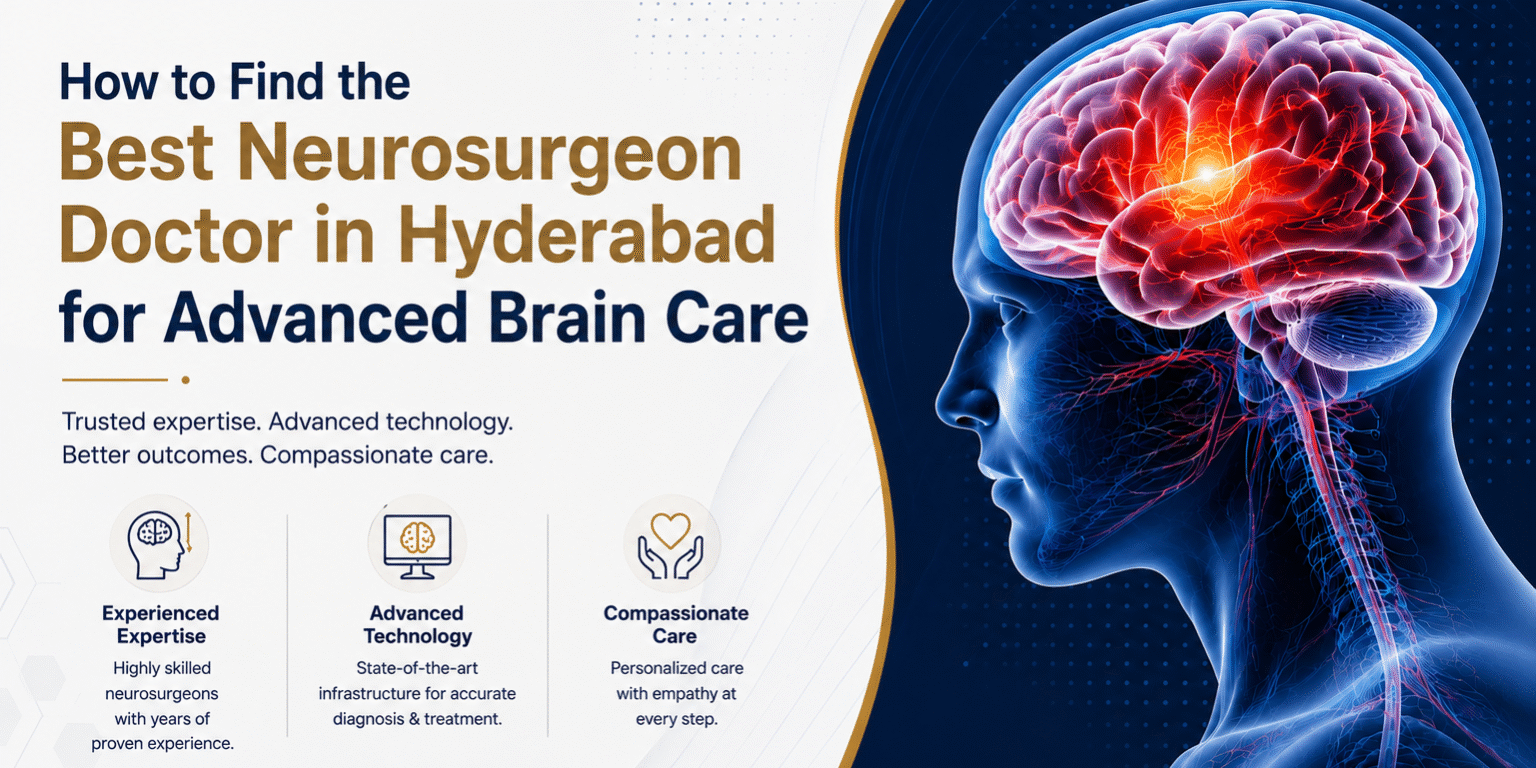
Why Choosing the Right Neurosurgeon Matters
Brain and spine conditions fall under the YMYL (Your Money or Your Life) category that Google itself acknowledges as high-stakes health decisions. A wrong choice at this stage can cost far more than money. Whether you are dealing with a brain tumor, a ruptured aneurysm, or a severe disc prolapse, the best neurosurgeon doctor in Hyderabad needs to bring together technical skill, years of hands-on practice, and access to modern surgical infrastructure.
Hyderabad has grown into one of India’s top destinations for neurological care. Hospitals here now perform procedures that were earlier available only in metro cities like Mumbai or Delhi. However, the quality gap between surgeons can still be wide, which is why patients must do their homework before committing to any specialist.
To understand the full scope of what neurosurgical care involves, read this detailed overview on how a neurosurgeon treats brain and spine disorders.
Did You Know?
According to the National Institute of Neurological Disorders and Stroke (NINDS), part of the U.S. National Institutes of Health, advances in surgical navigation and real-time neuromonitoring have reduced permanent neurological deficits in complex brain procedures by a measurable margin over the past decade. This underscores why choosing a surgeon with access to modern technology is as important as checking credentials.
Key Takeaways
- Verify the neurosurgeon’s MCh/MS (Neurosurgery) degree and Medical Council of India registration before booking.
- Surgical volume matters: a surgeon who performs more than 100 cases a year typically delivers better outcomes.
- Always check whether the hospital holds NABH accreditation and has dedicated neuro-ICU facilities.
- Minimally invasive techniques such as neuroendoscopy reduce hospital stay and speed up recovery.
- A second opinion is your right and a sign of a sensible patient, not a rude one.
Credentials and Qualifications You Must Verify
A qualified neurosurgeon doctor in Hyderabad must hold an MBBS followed by an MCh or MS degree in Neurosurgery from an institution recognized by the National Medical Commission. Check registration on the Medical Council of India’s official portal to confirm the surgeon is in good standing.
Look for membership in the Indian Society of Neurosurgeons (ISN) or the Neurological Society of India. These bodies require ongoing education and adherence to ethical guidelines. Fellowship training in sub-specialties such as skull-base surgery or pediatric neurosurgery is a strong bonus, especially for complex cases.
Peer-reviewed publications and research contributions also signal that the surgeon stays current with evolving techniques. Ask the hospital’s patient coordinator to share the surgeon’s profile before your first appointment.

Five Steps to Find the Best Neurosurgeon Doctor in Hyderabad
Step 1: Start with a Neurologist Referral
Your neurologist has direct exposure to surgical outcomes in the local medical community. Their referral carries weight. If you want broader context on why specialists in this city are trusted for complex neurological cases, this blog on why patients trust the best neurologist in Hyderabad offers helpful patient perspectives.
Step 2: Confirm Surgical Volume and Specialization
Ask how many procedures of your specific type the surgeon performs each year. A neurosurgeon handling over 100 craniotomies or spinal fusions annually has refined reflexes that lower complication rates. If your diagnosis involves a brain tumor, review the comprehensive guide to brain tumor surgery in India to know exactly what questions to ask during your consultation.
Step 3: Evaluate Hospital Infrastructure
Even the most skilled surgeon is limited by the tools at hand. The hospital must have NABH or JCI accreditation, a neuronavigation system, intraoperative neuromonitoring, and a dedicated neuro-ICU. You can compare Hyderabad’s top facilities in this guide to the best neurosurgery hospital in Hyderabad.
Step 4: Schedule a Consultation and Ask the Right Questions
During your meeting, note how much time the surgeon gives you, whether they explain risks clearly, and whether they discuss non-surgical options when relevant. Surgeons who rush consultations or dismiss your questions are a red flag. Ask specifically about complication rates, the assistants who will be in the OR, and the expected recovery timeline.
Step 5: Cross-Check Patient Reviews
Google Reviews, Practo, and Justdial all carry unfiltered patient feedback. Look for patterns across multiple reviews rather than reacting to a single negative comment. You can also ask the hospital to connect you with a past patient who has consented to share their experience.
Technologies That Separate Good from Great
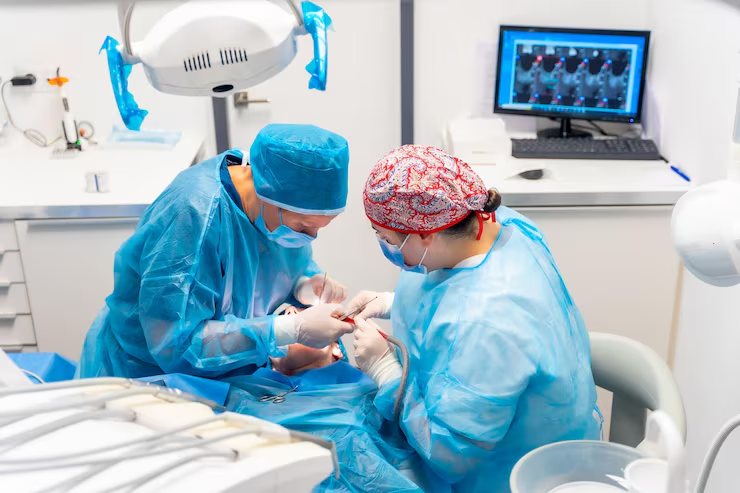
When you shortlist a neurosurgeon best doctor, ask about the specific technologies available in their operating theater. Neuronavigation (image-guided surgery) maps the tumor in three dimensions so the surgeon can remove it with minimal damage to surrounding tissue. Intraoperative neuromonitoring tracks brain and nerve signals in real time, alerting the team if a maneuver risks permanent neurological damage.
Minimally invasive endoscopy now covers many conditions that once required open surgery, including hydrocephalus, pituitary adenomas, and certain spinal cases. If your surgeon is unfamiliar with endoscopic approaches for your diagnosis, that is a conversation worth having.
Take the Next Step Toward Expert Neurosurgical CareTake the next step toward expert brain care today. If you or your loved one is facing a neurological condition, timely action can make all the difference. Consult Dr. Raveesh Sunkara, a trusted name in advanced brain and spine treatments. Get personalized guidance, clear treatment options, and compassionate care. Book your consultation now and move forward with confidence toward safer, more effective neurological recovery.
Frequently Asked Questions
Q1. How is a neurosurgeon different from a neurologist?
A neurologist diagnoses and manages neurological conditions with medication and therapy. A neurosurgeon intervenes surgically when a structural issue in the brain, spine, or peripheral nerves cannot be resolved any other way. Many patients need both working together.
Q2. What is a realistic wait time for a consultation in Hyderabad?
For non-emergency cases, expect three to ten working days depending on the surgeon’s schedule. Urgent referrals from a neurologist can often be seen within 24 to 48 hours at major hospitals.
Q3. Should I always consider surgery if a neurosurgeon recommends it?
Not necessarily. Ask whether conservative management has been tried or is suitable. A trustworthy neurosurgeon will always present non-surgical alternatives when they are clinically valid. Getting a second opinion before agreeing to elective surgery is completely acceptable.
Q4. Does health insurance cover neurosurgery in Hyderabad?
Most comprehensive health policies cover neurosurgical procedures at NABH-accredited hospitals. Contact your insurer before the procedure to confirm pre-authorization requirements and cashless facilities at your chosen hospital.
Q5. What is the recovery time after brain surgery?
Recovery varies widely. Many patients are discharged within five to seven days, but full neurological recovery can take several weeks to several months. Your surgical team will give you a personalized timeline based on your procedure type and post-operative scans.