Millions of people worldwide suffer from neurological conditions, which cause crippling symptoms that interfere with day-to-day functioning. However, early detection can change the course of events. Your nervous system regulates every bodily function, including breathing and thought. It can have life-altering implications when it malfunctions. According to the World Health Organisation, neurological conditions are one of the main causes of disability, affecting over 1 billion people globally. At Dr. Raveesh’s clinic, we see directly how early diagnosis of these diseases enables patients to regain their quality of life.
Key Takeaways
- More than 1 billion individuals worldwide suffer from neurological disorders, and better results come from early detection.
- Muscle fatigue, tingling, and poor coordination are common signs of nerve weakening that get worse over time.
- Nervous system disorders include Parkinson’s disease, Alzheimer’s disease, stroke, and neuropathy.
- Seizures, excruciating migraines, or sudden one-sided paralysis require emergency medical attention.
- Exercise, stress reduction, and healthy eating are examples of lifestyle changes that dramatically lower neurological risks.
What Are Neurological Conditions?
Disorders that impact your brain, spinal cord, and nerves throughout your body are referred to as neurological conditions. These diseases that affect the nervous system can range from mild nerve irritation to serious, life-threatening conditions.
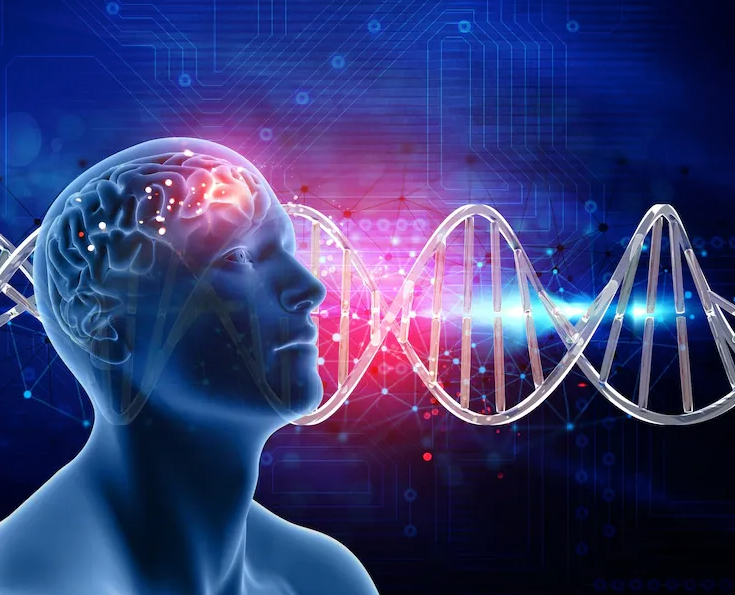
The nervous system functions similarly to an electrical network. Signals misfire or stop entirely when something goes wrong. This disruption causes the diverse symptoms we associate with nervous system disorders symptoms.
Understanding Chronic Neurological Conditions
Long-term diseases that last for months or years are known as chronic neurological conditions. These illnesses necessitate continuous care and lifestyle modifications, in contrast to acute issues that are resolved rapidly.
Chronic neurological conditions’ meaning extends beyond simple definitions. Your freedom, ability to work, and emotional health are all gradually impacted by these conditions. They require perseverance, appropriate care, and unwavering determination.
Common Diseases of the Nervous System
Several diseases of nervous tissue affect people across all age groups:
- Alzheimer’s disease: Progressive cognitive deterioration and memory loss
- Parkinson’s disease: A movement disorder causing tremors and rigidity.
- Multiple sclerosis: The immune system attacks nerve coverings.
- Epilepsy: Recurrent seizures brought on by aberrant brain activity.
- Stroke: Damage to brain tissue due to disruption of blood flow
- Neuropathy: Damage to peripheral nerves that results in weakness and suffering
Every condition has its own set of difficulties. However, they share common warning signs that shouldn’t be ignored.
Recognizing Nervous System Disorders Symptoms
When your nervous system is having trouble, your body sends out distress signals. Watch for these critical nervous system symptoms:
Nerve Weakness Symptoms
Symptoms of nerve weakness symptoms often appear gradually before becoming severe
- Muscle fatigue that get worsen with activity
- Difficulty gripping objects or climbing stairs
- Muscles in the face or drooping eyelids
- Tingling sensations in hands and feet
- Unexpected cramping or twitching of the muscles
Symptoms of Weak Nervous System
Multiple bodily systems can exhibit signs of a weak nervous system. Symptoms of a weak nervous system include:
- Cognitive disorders include disorientation, memory loss, and trouble focusing.
- Motor issues include tremors, poor coordination, and trouble balancing.
- Sensory alterations include burning, numbness, and vision issues.
- Autonomic dysfunctions, including irregular heartbeat, difficulty with digestion, and difficulty controlling the bladder
Neuro Problem Symptoms
Symptoms of a neuro problem symptoms that require prompt attention:
- Suddenly, a severe headache unlike any previous experience
- Convulsions or seizures without a history
- Loss of consciousness or altered mental state
- Speech that is slurred or language comprehension issues
- Double vision or abrupt vision loss
- Unexplained weakness on one side of the body
Narala Weakness Symptoms
The following are examples of narala weakness symptoms (nerve-related weakness) include
- Body aches that don’t go away without physical exertion
- Chronic fatigue unrelieved by rest
- Reduced stamina or sexual dysfunction
- Mood swings and anxiety
- Disturbances in sleep patterns
What Causes Neurological Conditions?
Early intervention and prevention are aided by an understanding of the contributing causes.
| Category | Examples |
| Genetic factors | Inherited mutations, family history |
| Infections | Meningitis, encephalitis, polio |
| Autoimmune disorders | Multiple sclerosis, myasthenia gravis |
| Trauma | Head injuries, spinal cord damage |
| Lifestyle factors | Diabetes, hypertension, smoking |
| Environmental toxins | Heavy metals, pesticides, chemicals |
| Degenerative changes | Age-related neuronal loss |
Risk Factors You Can Control
You can significantly lower your risk even though some causes are still out of your control:
- Keep your blood pressure and blood sugar levels within normal ranges.
- Engage in regular exercise to increase circulation.
- Steer clear of excessive alcohol and smoke usage.
- Keep your head safe when playing sports and engaging in other activities.
- Reduce stress by practicing meditation and getting enough sleep.
- Eat a diet high in nutrients to support brain health.
When Should You Urgently Seek Help?
Don’t hold off! Some symptoms need to be treated right away:
- Abrupt weakness or numbness, especially on one side
- Severe headache accompanied by nausea or dizziness
- Speech or speech comprehension issues
- Issues with one or both eyes’ vision
- Loss of coordination or balance
- seizures, particularly those that occur for the first time
Recall that in cases of stroke and other severe neurological emergencies, time is of the essence. In order to avoid irreversible harm, every minute matters.
Signs Requiring Scheduled Consultation
Important but less urgent warning signs include:
- Progressive memory loss that interferes with day-to-day activities
- Constant shaking or uncontrollable motions
- Chronic headaches that fluctuate in strength or pattern
- progressive loss of hearing or eyesight
- Constant tingling or numbness
- Unexpected shifts in mood or sadness
Living with Chronic Neurological Conditions
Life does not end with a diagnosis. Numerous patients lead happy lives as a result of:
- Adherence to medication as prescribed: Consistently adhere to the recommended course of treatment.
- Physical therapy: Prevent muscular atrophy and preserve mobility
- Occupational therapy: Make the surroundings more independent
- Nutritional support: a diet high in antioxidants and omega-3 fatty acids that is good for the brain
- Counselling: Support groups and family participation are examples of emotional support.
Your attitude counts! Results are greatly improved by remaining upbeat and aggressive during treatment.
Take Control of Your Neurological Health Today!
Being aware of neurological conditions gives you the ability to take decisive action. Expert advice is crucial when dealing with chronic neurological diseases or early symptoms of nerve weakening.
Comprehensive neurological care is our speciality at Dr Raveesh‘s clinic. Our method combines individualised treatment programs with cutting-edge diagnostics. Don’t allow symptoms to worsen untreated. Go to drraveesh.com for comprehensive details and professional advice. The highest care should be given to the neurological system. Make an appointment for your consultation right now to start along the path to improved neurological health!
FAQs
Q1. What are neurological illnesses’ early warning signs?
Persistent headaches, cognitive issues, numbness, muscle weakness, and coordination issues are early indicators. Evaluation is also necessary for changes in vision and inexplicable tremors.
Q2. Is it possible to reverse nerve weakness?
Treatment can help certain symptoms of nerve weakening, especially if they are identified early. In many situations, medicine, physical therapy, and lifestyle modifications aid in the restoration of function.
Q3. Which neurological condition is the most prevalent?
Migraines and other headache problems are the most prevalent. Stroke is the most common acute neurological emergency, while Alzheimer’s disease is the most common degenerative ailment.
Q4. How are disorders of the nervous system diagnosed?
Neurological examinations, imaging (MRI/CT scans), electrophysiological tests (EMG/EEG), blood tests, and occasionally lumbar punctures are used in the diagnosis process. A thorough assessment guarantees a precise diagnosis.
Q5. What lifestyle modifications can help avoid problems with the neurological system?
Numerous neurological diseases are prevented by regular exercise, a nutritious diet, enough sleep, stress management, abstaining from tobacco and excessive alcohol, keeping a healthy weight, and managing long-term health issues, including diabetes.