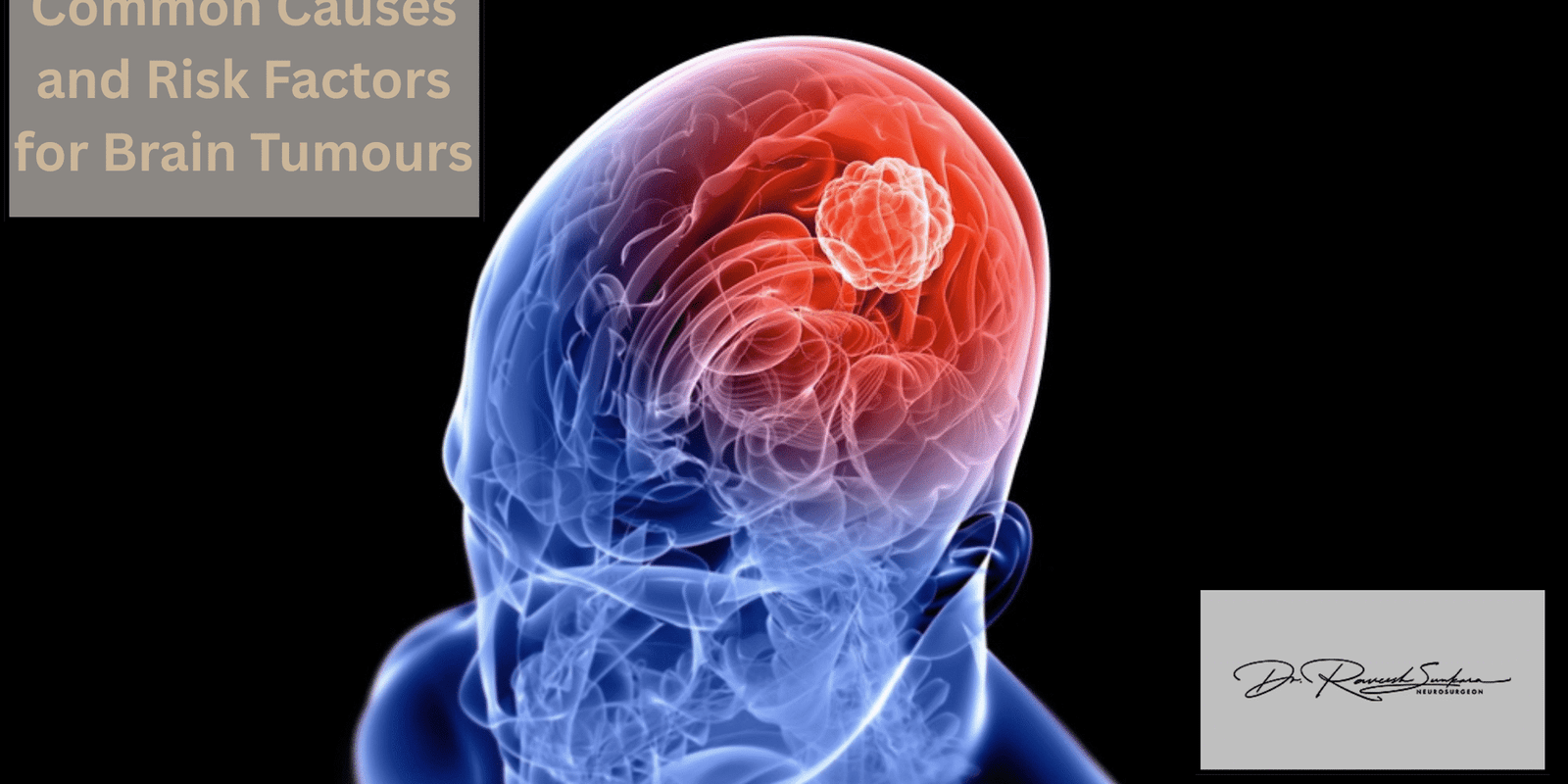
A brain tumour develops when abnormal cells inside the brain grow out of control and create a mass that interferes with regular brain function. Depending on its size and location, it may be benign or cancerous and impact speech, movement, vision, and thought.
According to NIH, in India, one in 341 men has a cumulative risk of developing primary brain malignancy, while among women, one in 546 has the cumulative risk of brain tumours.
This alarming statistic emphasises the necessity of increased awareness and early detection. The best neurosurgeon in Hyderabad, Dr Raveesh Sunkara, argues that knowing what is a brain tumour, its origins, and risk factors enables patients to take prompt action, which can greatly enhance treatment results and quality of life.
Key Takeaways
- 5-10% of brain tumours are caused by genetic predisposition, with some hereditary diseases increasing the risk.
- Radiation exposure to the head, especially during childhood, significantly elevates brain tumour probability.
- Random genetic mutations, not particular lifestyle decisions or activities, are the primary cause of the majority of brain tumours.
- Treatment results and survival rates are significantly improved by routine monitoring and early identification.
- Age and family history are risk factors that cannot be changed; thus preventive screening and heightened awareness are necessary.
Understanding Brain Tumours: The Basics
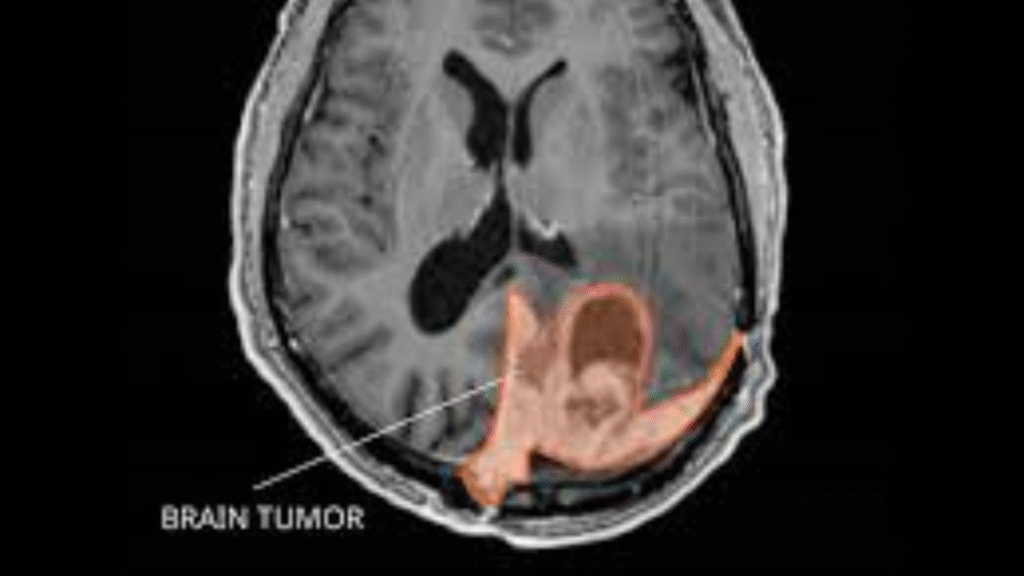
When genetic abnormalities occur in normal brain cells, brain tumours can develop. Cells proliferate and divide quickly as a result of these alterations. Tumour cells do not spontaneously perish as healthy cells do. They build up and create a lump, which may be cancerous or benign.
What is the meaning of a brain tumour in simple terms? It occurs when your brain cells begin to proliferate out of control. Your skull becomes compressed as a result, impairing regular brain activity.
How Brain Tumours Develop
Let’s understand how brain tumours develop by asking some basic questions.
Many people ask, How does a brain tumour occur? The cellular level is where the process begins. Alterations in DNA cause aberrant cell behaviour. These alterations may occur at random or as a result of particular risk factors.
How do brain tumours form over time? The mutated cells continue dividing without control. They create a tumour that could infiltrate nearby brain tissue. While some tumours develop quickly, others grow more slowly.
How is a brain tumour formed structurally? The aberrant cells group together to form a noticeable bulk. This tumour may compress healthy brain tissue. It may also block fluid flow or affect blood supply.
Primary Causes of Brain Tumours
Here are some primary causes of brain tumours:
Genetic Factors
Is a brain tumour genetic? According to research, 5-10% of brain tumours have a genetic component. Certain genetic disorders significantly increase your risk:
- Types 1 and 2 of neurofibromatosis
- Von Hippel-Lindau illness
- The Li-Fraumeni syndrome
- Tuberous sclerosis
Radiation Exposure
The risk of brain tumours is increased by prior head radiation therapy. Frequent CT scans can even expose people to low doses of radiation. Compared to adults, children are more at risk from radiation exposure.
Environmental Toxins
Concerns are raised by prolonged exposure to several substances. Petroleum products, industrial solvents, and pesticides are being investigated. However, the majority of environmental influences still lack conclusive evidence.
Age and Gender
Brain tumours can occur at any stage. However, they are more prevalent in young children and older adults, though. For the majority of tumour forms, men are at somewhat higher risk than women.
Major Risk Factors to Consider
| Risk Factor | Impact Level | Prevention Possible |
| Family History | High | No |
| Radiation Exposure | High | Yes |
| Age (Over 60) | Moderate | No |
| Weakened Immune System | Moderate | Partially |
| Chemical Exposure | Low-Moderate | Yes |
Immune System Disorders
Individuals with weakened immune systems are more vulnerable. Patients with HIV/AIDS and recipients of organ transplants require special attention. Moreover, immunosuppressive drugs may increase the risk.
Previous Cancer History
The incidence of brain tumours is higher in survivors of other malignancies. This is particularly true for people who have had radiation therapy. For these people, routine observation becomes crucial.
Common Misconceptions About Brain Tumour Causes
How you get a brain tumour is a common question. There are no particular steps you can take to cause a brain tumour in someone else. Despite widespread fears, there are no conclusive correlations between mobile phone use.
How can you get a brain tumour through lifestyle? Direct relationships are not established by current research. Maintaining general health is still crucial for prevention, though.
Warning Signs You Shouldn’t Ignore
Symptoms of a brain tumour vary based on location and size:
- Persistent headaches that get worse over time
- Unknown causes of nausea or vomiting
- Issues with vision or fuzzy vision
- Issues with coordination and balance
- Confusion or changes in personality
- People who have never had seizures before
- Numbness or weakness in the limbs
What is Brain Cancer vs. Brain Tumour?
What is brain cancer specifically? It refers to brain tumours that are malignant. These growths are malignant and infiltrate the surrounding tissue. Many brain tumours are benign; not all of them are malignant.
Now, “What is a brain tumour?” The cause of brain tumours that develop into malignant forms is still being investigated. Malignant tumours proliferate more quickly and spread more widely. They need extensive care and prompt medical intervention.
Brain Cancer Risk Factors Explained
Brain cancer risk factors overlap with general tumour risks. Malignant tumours, however, exhibit more robust genetic correlations. Your vulnerability is further increased if you have a family history of brain cancer.
Both controllable and uncontrollable factors contribute to the brain tumour risk factors. Focus on managing what you can. Reduce your exposure to radiation as much as you can, and stay away from dangerous chemicals.
Modern Treatment Approaches
Brain tumour surgery in India has advanced significantly in recent years. Techniques that are less invasive shorten the recuperation period. Surgeons can remove tumours more precisely thanks to advanced imaging.
The kind, location, and size of the tumour determine the available treatment choices. These could consist of chemotherapy, radiation treatment, or surgery. Treatment success rates are significantly increased by early discovery.
Take Control of Your Brain Health Today!
Understanding how brain tumour is caused empowers you with knowledge. Even though certain risk factors are uncontrollable, awareness can assist. Frequent health examinations identify issues early, when therapy is most effective.
See a specialist right away if your symptoms don’t go away. Consult specialists like Dr Raveesh Sunkara for professional advice, for thorough assessment and treatment. Avoid waiting for symptoms to get worse because early treatment can save lives.
FAQs
1. Can stress cause brain tumours?
There is no scientific proof that stress causes brain tumours to grow or form.
2. Are brain tumours hereditary?
Only 5–10% have genetic connections; the majority happen at random and lack family history patterns.
3. Can diet prevent brain tumours?
Although there is no particular diet that can prevent tumours, eating well boosts immunity and general well-being.
4. Do cell phones cause brain cancer?
There is currently no solid proof that using a cell phone causes brain tumours.
5. What age group faces the highest risk?
Brain tumours are more common in young children under the age of 8 and older individuals (60+).